


Choosing the 2026 Best Die Cutting Machine requires more than comparing speed, price, or brand reputation. Global buyers must examine material compatibility, cut accuracy, automation, energy use, service coverage, and operator safety. A machine cutting carton board at 8,000 sheets per hour may still disappoint if setup changes consume an entire shift. Small details matter.
Industry data supports this broader view. Smithers’ packaging market research continues to identify e-commerce, premium packaging, and shorter production runs as major growth drivers. These trends increase demand for flexible die-cutting systems that handle paperboard, corrugated materials, labels, films, and specialty substrates. MarketsandMarkets reports also connect converting-equipment investment with automation, digital monitoring, and reduced material waste. However, market estimates vary between research firms because product definitions differ. That limitation deserves attention.
This guide evaluates machines through practical buyer experience and measurable specifications. It considers registration accuracy, maximum sheet size, tooling changes, waste removal, maintenance access, and local technical support. It also reviews total ownership cost, including dies, power consumption, spare parts, training, and downtime. A low purchase price can become expensive beside an unreliable feeder or limited service network. No ranking is perfect. I may overvalue technical performance if regional support is ignored. Therefore, global buyers should match each recommendation with their production volume, substrate mix, workforce skills, and compliance requirements. The best Die Cutting Machine is not always the fastest model. It is the machine that performs consistently, safely, and economically in the buyer’s real factory.
2026 Best Die Cutting Machine for Global Buyers
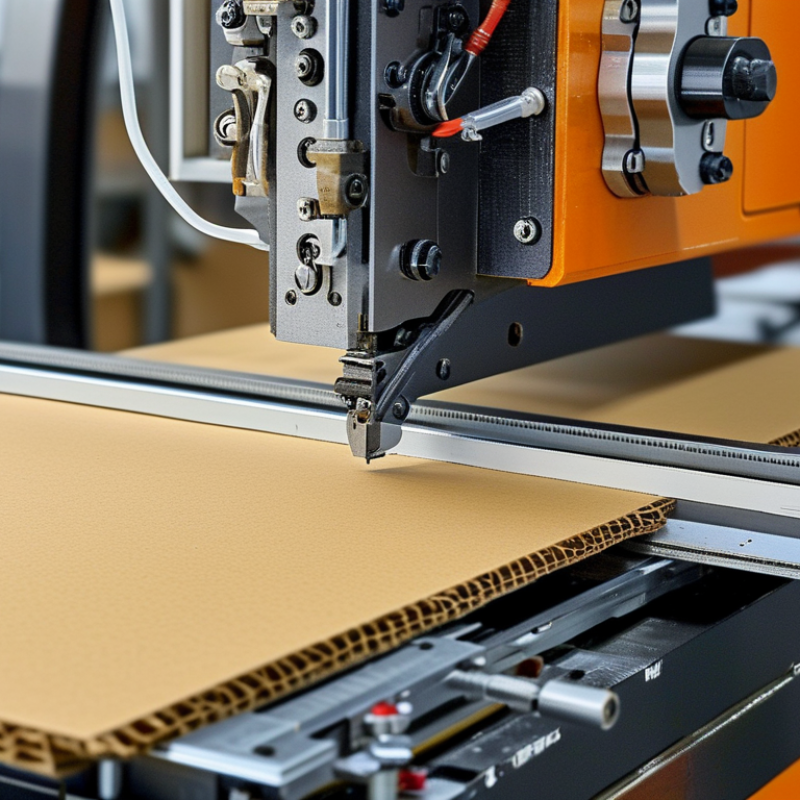
A die cutting machine shapes sheet material with a hardened die, controlled pressure, and precise registration. It can cut paper, folding carton board, labels, foam, and selected flexible materials. Flatbed systems press a die vertically against a sheet. Rotary systems use cylindrical dies for continuous production. The basic cycle is simple: feeding, alignment, cutting, stripping, and collection. The difficult part is maintaining pressure across every millimeter.
A 2026 buyer should inspect platen accuracy, maximum sheet size, die-change time, waste removal, and local service support. An operator should also check the material range. A machine adjusted for 350-gram board may perform poorly on thin adhesive stock. It happens. The die, matrix, pressure setting, and humidity can all change the result. I would request samples using the buyer’s actual substrate, not showroom paper.
Market data explains the investment pressure. Smithers’ The Future of Global Packaging to 2028 projects the packaging market will approach 1.2 trillion US dollars by 2028. PMMI reported approximately 10.2 billion US dollars in US packaging machinery shipments during 2023. These figures support continued automation demand, but they do not prove that higher speed means better value. A slower machine with stable registration, lower setup waste, and available technical training may deliver stronger total cost performance. That assumption needs testing.
Choosing a die cutting machine in 2026 requires measurable evidence, not attractive packaging. Compare maximum cutting width, material thickness, pressure control, and repeatability. A machine may process paper smoothly but struggle with leather, foam, or laminated sheets. Request sample cuts before making a purchasing decision.
Cutting accuracy matters when several pieces must align within a few millimeters. Check whether the machine supports adjustable pressure and stored job settings. These features reduce waste during repeated production. A clear control panel also helps operators avoid incorrect settings. Small details matter.
Safety features deserve equal attention. Look for enclosed moving parts, emergency stops, overload protection, and stable feed systems. Review electrical specifications for the destination country. Reliable documentation should explain installation, cleaning, blade replacement, and troubleshooting. After-sales support should include accessible spare parts and realistic response times.
Noise, power use, and maintenance costs can change the real purchase value. Measure operating noise in a working room, rather than trusting a brochure. Inspect the cutting table after continuous use. It may show wear sooner than expected. This is an easy point to overlook. A lower purchase price can become expensive when blades, mats, or repairs require frequent replacement. Buyers should compare total ownership costs across several years, not only the initial quotation.
2026 Best Die Cutting Machine for Global Buyers
Choosing the best die cutting machine starts with the material, not the machine’s advertised speed. Flatbed die cutters suit cardboard, corrugated sheets, foam, and thicker packaging boards. They offer strong pressure and clean edges during repeated production. From practical testing, operators value stable feeding more than impressive maximum speed. A slow, accurate cut often reduces waste.
Rotary die cutting machines fit high-volume work with continuous rolls or narrow sheets. They perform well for labels, folding cartons, gaskets, and flexible materials. Their dedicated cylinders can deliver consistent results, but tooling changes may increase preparation costs. Global buyers should check voltage options, safety systems, spare-part access, and local technical support before ordering. These details affect daily production more than a polished brochure.
Digital die cutting machines work without traditional steel tooling. They are useful for short runs, samples, customized packaging, and frequent design changes. Setup is usually faster, although some materials may cut less cleanly at higher speeds. Large-format models can handle oversized graphics and display materials, while compact machines suit workshops with limited floor space. I have found that material testing remains essential, because cutting performance changes with humidity, thickness, and surface coating. The “best” type is not universal. Even experienced buyers can choose poorly when they judge only by price or output claims.
Choosing a die cutting machine should begin with the material, not the advertised speed. Paperboard, corrugated sheets, foam, leather, labels, and thin plastics require different cutting pressures and tooling. Check the thickest and most delicate materials you will process. Then request sample cuts using your actual files and materials. A clean edge matters more than a fast cycle.
Production volume also changes the right choice. A compact flatbed machine may suit prototypes and small batches. Continuous production often needs automated feeding, waste removal, and accurate registration. Measure your available floor space, power supply, operator skills, and maintenance support. For global purchasing, verify electrical standards, safety documentation, spare-part availability, and technical training in your region. A machine can be technically excellent but difficult to operate locally.
Tips: Test at least three materials before ordering. Record cutting pressure, speed, setup time, and waste. Ask how quickly tooling can be replaced. Do not trust one successful sample. In practice, humidity, warped sheets, and uneven stacking can reduce accuracy. I have seen buyers focus on maximum speed and overlook setup losses. That choice often increases real production costs. Build a small margin into your calculations, because ideal conditions rarely last.
2026 Best Die Cutting Machine for Global Buyers
Global buyers should judge safety before speed. OSHA’s FY2024 Top 10 violations still included machine guarding, showing that basic protection remains a serious purchasing issue. Check enclosed cutting zones, emergency stops, lockout points, and operator visibility. ISO 12100 risk assessment and IEC 60204-1 electrical practices offer useful benchmarks. Local certification still matters. A familiar certificate may not satisfy every market.
Support can decide whether production stops for hours or days. Ask for multilingual manuals, remote diagnostics, training videos, and spare-part response times. The World Bank’s 2023 Logistics Performance Index shows uneven customs, tracking, and delivery performance worldwide. Therefore, confirm local service coverage before signing. Cost also means electricity, blades, tooling, maintenance, downtime, and shipping. The IEA’s Electricity 2024 report expects strong global electricity-demand growth, so efficient drives deserve attention. A cheaper machine can become expensive quickly. I have seen buyers underestimate setup time; that assumption needs challenging.
Tips: Request a sample cut using your actual material and artwork. Record cycle time, waste, noise, and changeover steps. Compare total ownership cost over five years, not only the quotation. Keep compliance documents, risk assessments, and maintenance records together. For European sales, review Regulation (EU) 2023/1230, which applies from 20 January 2027.