China Top 10 Nozzle Cutting Machine Suppliers?
The global demand for precision cutting continues to reshape supplier selection. Grand View Research valued the global laser cutting machine market at approximately USD 6.7 billion in 2023. Its report also projects steady growth through 2030. Fortune Business Insights reports similar expansion, driven by automotive, aerospace, electronics, and metal fabrication.
However, these reports usually measure complete laser systems. They rarely isolate the Nozzle Cutting Machine segment. That limitation matters. A nozzle may look inexpensive, yet poor concentricity can distort the gas stream, widen the kerf, and leave dross along a stainless-steel edge.
John Powell, author of CO2 Laser Cutting, offers a practical reminder: “The laser is only as good as the process around it.” His observation applies directly to nozzle design, material quality, cooling structure, and maintenance support.
Small component. Large consequence.
This guide examines China’s top 10 Nozzle Cutting Machine suppliers through technical and commercial criteria. These include cutting stability, nozzle materials, orifice consistency, compatible power ranges, production capacity, quality certification, export experience, and after-sales response.
Supplier rankings should not rely on marketing claims alone. A polished website proves little. Buyers should request dimensional reports, sample-cut results, batch traceability, and photographs of the nozzle tip after extended operation.
The selection is not perfectly objective. Supplier data changes, and some manufacturers publish limited technical information. That uncertainty deserves attention, rather than concealment. Still, combining supplier evidence with findings from Grand View Research, Fortune Business Insights, and MarketsandMarkets creates a more practical starting point for procurement teams.
What Is a Nozzle Cutting Machine and How Does It Work?
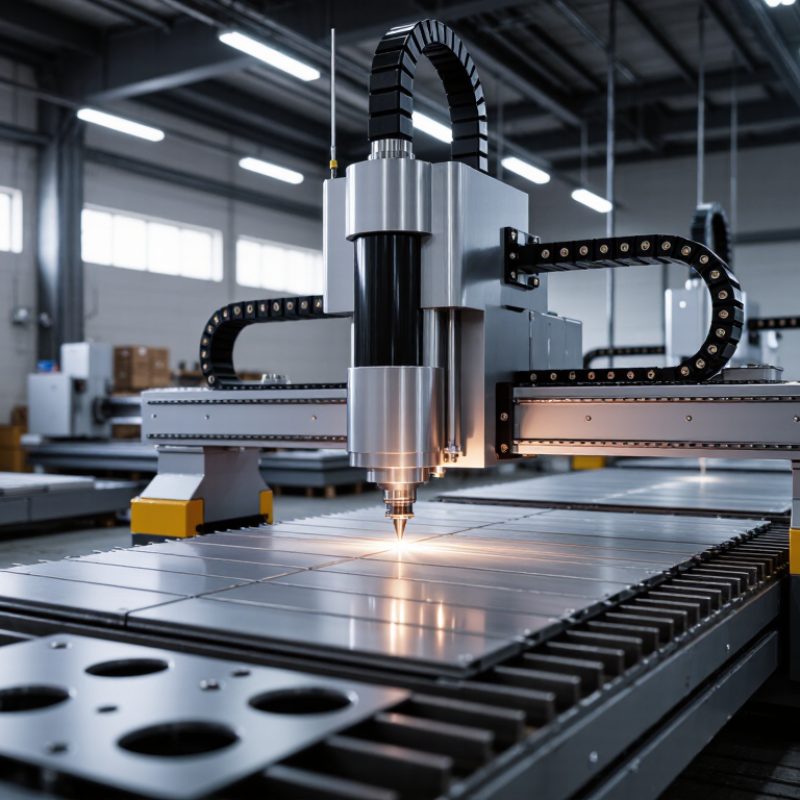
A nozzle cutting machine is specialized equipment for producing precise openings and profiles in metal, ceramic, or engineered plastic nozzles. In Chinese manufacturing markets, suppliers may use this term for CNC cutting systems, laser machines, or equipment designed for plasma torch nozzles. The exact meaning should be confirmed before comparing quotations.
The process begins with a digital drawing. An operator loads the material into a fixture, checks its thickness, and sets the cutting path. A laser, abrasive jet, or rotating tool then removes material along the programmed outline. Some machines use a rotary axis to cut tapered holes or curved nozzle bodies. Sensors can monitor height and alignment. Clean air or coolant may reduce heat and debris.
Accuracy depends on more than the machine head. Fixture stability, tool wear, material hardness, and operator training all matter. A clean 1-millimeter opening can become rough if the workpiece shifts slightly. That detail is easy to overlook. I would also question impressive speed claims, because fast cutting may leave burrs or heat marks. Before selecting a supplier, request sample cuts, measured tolerances, maintenance records, and clear information about software, replacement parts, and operator support. A reliable supplier should explain these limits plainly.
How to Identify China’s Top Nozzle Cutting Machine Suppliers
China Top 10 Nozzle Cutting Machine Suppliers?
How to Identify China’s Top Nozzle Cutting Machine Suppliers
Identifying reliable nozzle cutting machine suppliers requires more than checking online rankings. A polished website proves very little. Request factory photos, production records, and evidence of quality control. Suppliers with real experience should explain nozzle materials, cutting tolerances, heat resistance, and compatible machine conditions clearly. Vague answers deserve caution.
Ask for sample parts made with the proposed nozzle. Inspect the cutting edge under magnification, then compare dimensions with your technical drawing. A dependable supplier can provide inspection reports, material certificates, batch numbers, and traceable production records. Check whether engineers respond with practical details, not copied specifications. Their support after delivery matters too, especially when a nozzle wears faster than expected.
Visit the factory when possible. Observe storage areas, testing equipment, and worker procedures. Speak with existing customers about delivery consistency, replacement support, and problem handling. Supplier rankings can help you create a shortlist, but they should not decide your purchase. No checklist is perfect. A small trial order may reveal more than a long sales presentation. Consider total cost, including downtime, shipping, rejected parts, and maintenance. A supplier that offers a lower price may create higher production losses later. Reflect on your own requirements as well; unclear drawings can mislead even an experienced manufacturer.
China’s Top 10 Nozzle Cutting Machine Suppliers by Core Strengths
China’s Top 10 Nozzle Cutting Machine Suppliers by Core Strengths
China’s top ten nozzle cutting machine suppliers stand out for different technical strengths, not identical product ranges. Some focus on high-speed laser cutting systems for thin stainless steel sheets. Others build heavy-duty platforms for carbon steel plates, pipes, and irregular profiles. Their strongest advantage is often manufacturing depth, including in-house machining, automated assembly, and repeatable quality inspection.
Several suppliers provide customized nozzle holders, ceramic rings, and cutting heads for specific materials. Others emphasize beam stability, precise height control, and reliable gas flow. These details affect edge smoothness, kerf width, and daily production waste. Experienced suppliers usually offer sample cutting before purchase. That practical step reveals more than a glossy catalog. Still, some specifications remain unclear. Buyers should question them.
Tips: Request test cuts using your actual material and thickness. Check nozzle concentricity, orifice accuracy, cooling performance, and replacement-part availability. Ask for inspection records and service response times. A supplier with strong engineering support may outperform a cheaper supplier with limited troubleshooting. Factory visits can help, but they are not perfect evidence. Production conditions may change after the visit. Review several months of feedback, not one impressive demonstration.
Core strength also includes communication. Clear drawings, stable delivery schedules, and usable manuals reduce installation mistakes. Some suppliers offer broad customization but slower delivery. Others deliver quickly with fewer options. The best choice depends on workload, material range, maintenance skills, and long-term operating costs. No supplier is perfect. Your process decides the real ranking.
This chart presents a neutral 100-point evaluation framework for comparing China’s top nozzle cutting machine suppliers by core strengths. The values represent the relative importance of each purchasing criterion, rather than company-specific or brand-specific performance data.
How to Select the Right Chinese Nozzle Cutting Machine Supplier
China Top 10 Nozzle Cutting Machine Suppliers?
How to Select the Right Chinese Nozzle Cutting Machine Supplier
China’s cutting equipment sector offers many capable manufacturers, but selection requires evidence, not attractive catalogs. The International Federation of Robotics reported 276,288 industrial robot installations in China during 2023, representing about 51% of global installations. This manufacturing depth supports strong production capacity, yet it does not guarantee nozzle consistency. Ask about material grades, machining tolerances, coating thickness, and inspection records.
Match the nozzle with your process. Confirm compatibility with laser power, plasma current, gas type, material thickness, and cutting speed. Test the cut. Request sample results using your actual steel or aluminum.
Grand View Research projects the global laser cutting machine market to grow at approximately 7.7% annually from 2024 to 2030. Growing demand makes quality control more important, especially when small nozzle defects create wider kerfs, rough edges, or unstable gas flow.
Audit the supplier’s technical controls before comparing prices. Look for ISO 9001-based procedures, batch traceability, calibrated measuring tools, and documented final inspections. Ask how rejected parts are handled. Do not guess. A factory tour can look impressive, but production data matters more. Check response times, spare-part availability, packaging protection, and warranty terms. I would also compare total operating cost, not unit price. A cheaper nozzle may require more frequent replacement. That calculation is easy to overlook. Suppliers should provide realistic tolerances, test reports, and limitations instead of promising perfect results.