

Choosing a W Beam Supplier in 2026 is not just a price comparison. The right partner can help keep a project on schedule, provide consistent beam dimensions, and supply traceable mill documentation. A low quote may look attractive. It can also hide long lead times, unclear specifications, or extra freight costs. Small details matter: flange width, web thickness, beam length, grade, and surface condition should match the project documents.
Steel procurement adviser Jordan Lee puts the principle simply: “A dependable beam starts with a clear specification and ends with documentation you can verify.” Treat that as a useful test, not a substitute for checking the supplier’s records. Ask for current product data, inspection documents, realistic delivery dates, and written confirmation of any substitutions. Then compare quotations on the same basis. A beam that arrives late, or differs from the approved dimensions, can disrupt fabrication and installation.
Look closely at how the supplier handles questions. Do they explain tolerances plainly? Can they describe how orders are tracked from mill to delivery? Ask for references from projects with similar sizes and schedules. Verify claims rather than relying on polished sales language. That takes time. It is worth it.
There is no perfect supplier for every project. A regional stockholder may suit urgent, standard orders, while a mill-direct source may fit larger planned volumes. Even careful buyers can miss a detail; I would double-check the delivery assumptions before signing. This guide will outline practical ways to assess quality, availability, technical support, and total cost before choosing a W Beam Supplier.
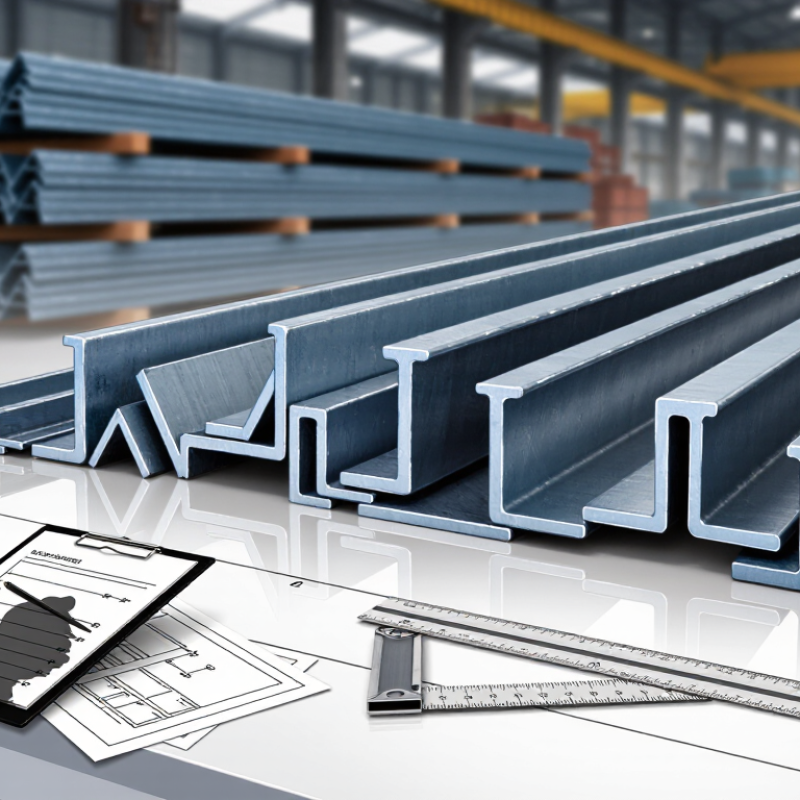
Before comparing W beam suppliers, turn the project needs into measurable requirements. Record the section depth, flange width, web thickness, beam length, and required steel grade. A drawing with dimensions is more useful than a request for “standard beams.” Check whether the design specifies straightness, dimensional tolerances, or a particular surface finish. Small differences can affect fit-up at a column connection.
Think about the beam’s working conditions, too. Note expected loads, support spacing, exposure to moisture or chemicals, and whether a protective coating is needed. Specify required inspection records and material certificates so the delivered steel can be checked against the order. Keep quantities and delivery sequence clear; beams arriving in the wrong lengths can disrupt a busy installation. Details matter.
A specification can still have gaps. For example, a drawing may show the profile but omit tolerances or coating requirements. Ask the engineer to clarify uncertain items before requesting quotes, rather than letting suppliers make different assumptions. It also helps to provide the project location and applicable design standards. A concise checklist, marked-up drawing, and realistic delivery date give suppliers a fair basis for quoting comparable products. Review the final order carefully. One overlooked dimension can mean costly rework.
Example AISC wide-flange (W-shape) designations show nominal weight per foot. In a W-shape designation, the number after “×” is the nominal weight in lb/ft. Specify the required section, steel grade, length, quantity, applicable standard, and delivery requirements when requesting a supplier quote. Weight alone does not determine structural capacity; confirm selection against project loads and design requirements.
Illustrative section examples: W8×10, W12×26, W14×22, and W18×35. Verify section properties, availability, and project suitability using current shape tables and engineering requirements.
A reliable W beam supplier should prove that each section matches the specified grade, dimensions, and tolerances. Check flange width, web thickness, straightness, and surface condition against the project documents. ASTM A6/A6M covers general requirements for rolled structural steel bars, plates, shapes, and sheet piling; confirm the applicable edition and product requirements before ordering. For common W shapes, verify the specified grade, such as ASTM A992, rather than relying on a generic “structural steel” description.
Ask for mill test reports linked to each beam’s heat number. The report should identify the steel grade and show chemical and mechanical test results. Match those numbers to beam tags and shipping documents. Small mismatch, big headache. The World Steel Association’s World Steel in Figures 2024 reports 1,892.2 million tonnes of crude steel production worldwide in 2023. That scale makes traceability essential, not automatic. Check whether the supplier can provide dimensional inspection records, certificates of conformity, and clear correction procedures for missing or inconsistent paperwork. Even polished documents deserve a cross-check against the delivered beams.
A W-beam supplier’s years in business matter, but they do not prove current production capability. Ask whether the company rolls beams itself or resells stock. Request recent project references, mill test reports, and examples of comparable beam sizes. World Steel Association’s World Steel in Figures 2024 reports 1,892.2 million tonnes of crude steel production in 2023. That is global steel output, not W-beam capacity. A supplier’s own records matter more.
Ask for monthly output by beam size, current lead times, and available rolling or cutting capacity. Compare those figures with your order and delivery schedule. Check that test reports identify the steel grade, heat number, and mechanical properties, and confirm dimensions against ASTM A6/A6M where applicable. A real capacity check is concrete: Can the supplier show production logs or traceable orders from the past year? A polished brochure is not proof. I would treat an impressive capacity claim cautiously until the supporting records match the equipment and delivery history. Some suppliers may not share every internal record, which can make comparison difficult; note what remains unverified.
For a W beam purchase in 2026, compare complete quotes, not just the price per ton. Give each supplier the same specifications: beam size, steel grade, length, quantity, finish, and required certificates. Ask whether cutting, packing, and loading are included. A low unit price can look attractive until these charges appear.
Check delivery details against your project schedule. Request a written lead time, shipment method, delivery location, and freight estimate. Ask how the supplier handles partial shipments or delays, and confirm that the beams will arrive protected from moisture and handling damage. One detail is easy to underestimate: unloading. Make sure the truck and delivery arrangement suit your site access and lifting equipment.
Read the contract before paying a deposit. Confirm payment milestones, inspection rights, dimensional tolerances, cancellation terms, and how shortages or damaged material are reported. Specify which documents must accompany the shipment, such as a material test certificate. I still find delivery wording easy to overlook; “dispatch date” is not the same as arrival date. A simple comparison sheet can expose gaps between offers, though it may not capture every site complication. Keep written records of agreed changes, especially revised quantities or delivery dates.
| Comparison Area | What to Compare | Practical Benchmark or Decision Rule | Evidence to Request |
|---|---|---|---|
| Product specification | Beam designation, section dimensions, steel grade, applicable standard, quantity, and required length. | Ensure every quote describes the same section and grade. ASTM A992/A992M is a commonly specified material standard for structural steel shapes; confirm the project documents govern. | Itemized quotation, product data, and confirmation that the proposed material meets the project specification. |
| Material traceability | Mill test reports, heat numbers, and the supplier’s method for keeping documents linked to the delivered material. | Require traceability and inspection records when specified by the contract, engineer, or applicable code. Do not assume documentation is included unless stated. | Sample mill test report and written confirmation of documentation supplied with the order. |
| Comparable price | Base material price, cutting or processing charges, packaging, freight, fuel surcharges, taxes, and any minimum-order fees. | Compare the total delivered cost for the same specification, quantity, destination, delivery window, and included services—not only the quoted price per ton. | Itemized quote with currency, unit of measure, quote validity period, and all additional charges identified. |
| Price adjustment terms | Whether the price is fixed, subject to adjustment, or dependent on a stated material index or other defined mechanism. | A fixed-price quote should state how long it remains valid. Any adjustment clause should identify the trigger, calculation method, and effective date. | Written pricing terms and the exact formula or conditions for any price change. |
| Availability and lead time | Stock status, mill or service-center sourcing, processing time, allocation status, and the date the supplier can commit to. | Lead time varies by section, quantity, processing, location, and market conditions. Compare a committed ship or delivery date rather than an unqualified estimate. | Written availability confirmation, schedule, and stated assumptions or contingencies. |
| Delivery and freight | Delivery location, freight responsibility, unloading arrangements, access restrictions, appointment requirements, and partial-shipment options. | Confirm the delivery point and who bears freight cost and risk. Verify truck access, unloading equipment, and site readiness before dispatch. | Freight quote, delivery terms, shipment plan, and written allocation of unloading responsibilities. |
| Order accuracy and inspection | Quantity tolerances, length tolerances, identification, packaging, damage reporting, and the process for resolving shortages or nonconforming material. | Match acceptance and inspection requirements to the purchase specification and contract. Set a clear written timeframe for reporting visible damage or discrepancies. | Order acknowledgment, inspection procedure, and claims or replacement process. |
| Payment and credit terms | Deposit requirements, payment due date, credit approval, late-payment charges, and any early-payment discount. | Compare the full cash-flow impact and ensure payment milestones align with the agreed shipment and documentation requirements. | Written payment schedule, credit terms, and any applicable fees. |
| Cancellation and changes | Cancellation charges, return eligibility, restocking fees, and the effect of quantity or specification changes after order acceptance. | Clarify which costs become nonrecoverable once material is reserved, cut, or otherwise processed. | Written cancellation, change-order, and return provisions. |
| Supplier evaluation | Relevant project experience, responsiveness, documented quality processes, and references for comparable orders. | Use consistent criteria for every bidder. Check references and confirm that the supplier can meet the project’s documentation and schedule needs. | Comparable project references, quality-process information, and a named order contact. |
| Contract review | Scope, precedence of documents, delivery commitments, warranties, liability, dispute resolution, and governing law. | Resolve conflicts between the quotation, purchase order, and supplier terms before issuing the order. Obtain legal review for material or high-value contracts. | Final accepted quotation, purchase order, and agreed terms and conditions. |
| Price and lead-time note: Steel pricing and availability change with section size, order volume, processing, freight distance, and market conditions. No supplier-specific prices or delivery promises are stated here; obtain current, written, like-for-like quotations for the project. | |||
When choosing a W beam supplier in 2026, assess the support behind the steel, not just the quoted price. Ask whether staff can verify section dimensions, grade, mill test reports, and traceability before dispatch. A useful technical contact should explain tolerances and flag mismatches between drawings and the order. That matters. World Steel Association’s World Steel in Figures 2024 reports global crude steel output above 1.8 billion tonnes, a reminder that a large market does not guarantee steady availability or consistent service. The report describes industry scale, not any individual supplier’s performance.
Long-term reliability shows up in details: clear delivery updates, retained inspection records, and a realistic process for correcting a short shipment. Request examples of how the supplier handled a schedule change or a material discrepancy. A polished quote can still conceal a weak handoff. No checklist predicts every delay, but documented answers make comparison less dependent on promises.
Tips: Before ordering, send one representative beam size and ask for its material documentation, dimensional checks, and lead-time assumptions. Confirm who answers technical questions after the sale, and how quickly replacement stock can be arranged. Record those commitments in the order documents; a phone assurance is easy to forget.