How to Choose a Reciprocating Compressor in 2026?
How to Choose a Reciprocating Compressor in 2026?
Selecting a Reciprocating Compressor is not simply a matter of comparing horsepower and purchase prices. Real operating conditions must guide the decision. Gas composition, suction pressure, discharge pressure, flow variation, ambient temperature, and required uptime all shape the correct specification. A compressor that performs well in a laboratory may struggle beside a dusty pipeline station.
Field experience matters.
Dr. Heinz P. Bloch, a respected machinery reliability authority, often emphasized, “Reliability is achieved by design, not by inspection.” This principle remains highly relevant in 2026. Buyers should examine cylinder materials, valve design, lubrication systems, pulsation control, and available maintenance support. They should also request documented performance data, not attractive promises.
The details can be surprisingly physical. A poorly selected unit may create strong pipe vibration, elevated discharge temperatures, or repeated valve failures. Operators may hear knocking before instruments show a serious problem. That sound should never be dismissed.
Efficiency matters, but not alone. A lower-cost machine may consume more energy throughout its operating life. Conversely, the largest compressor may operate inefficiently during reduced demand. This choice requires balance.
Some assumptions may be wrong.
This guide compares compressor capacity, speed, cooling methods, control systems, lifecycle cost, and supplier capability. It also considers safety, maintainability, and future process changes. No selection is perfect. However, a disciplined evaluation can reduce expensive surprises and support dependable operation across changing industrial conditions.
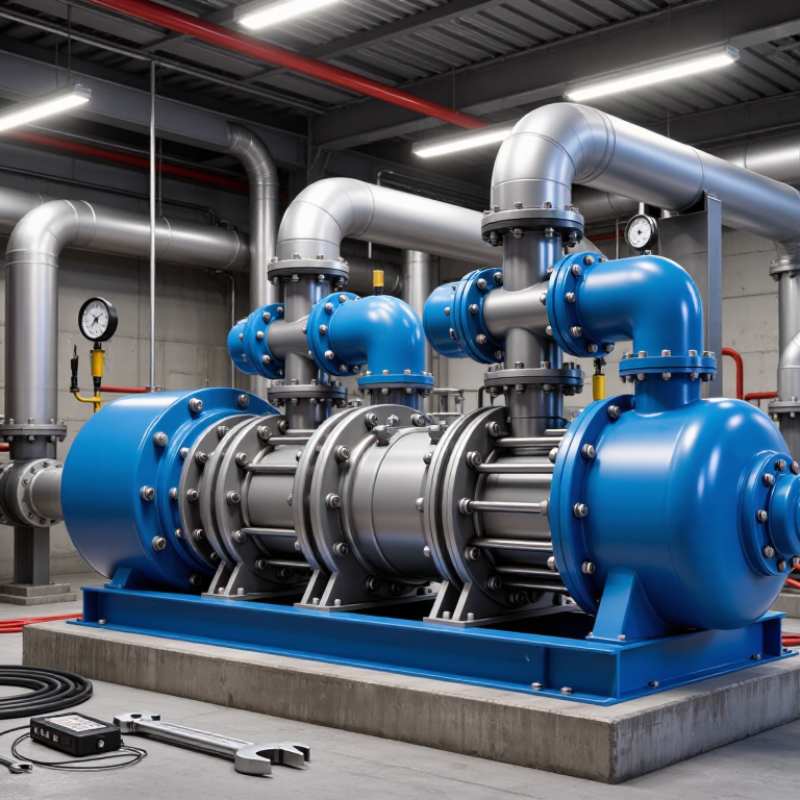
Define the Reciprocating Compressor’s Role and Operating Requirements
Before choosing a reciprocating compressor in 2026, define the work it must perform. Is it supplying instrument air, moving process gas, or supporting high-pressure injection? Each duty changes the required pressure ratio, flow range, gas composition, and operating hours. A compressor selected by horsepower alone may perform poorly in real service. Start with a written duty profile. Record suction pressure, discharge pressure, inlet temperature, required capacity, and acceptable variation.
For continuous operation, specify the normal point and the worst credible case. Include startup, shutdown, ambient temperature, gas density, and liquid carryover risks. Reciprocating machines suit demanding pressure ratios and changing loads, but they produce pulsation and vibration. The package may need pulsation bottles, coolers, separators, relief protection, and a strong foundation. Noise matters too. Check whether the proposed frame can handle frequent starts without excessive wear. This detail is often underestimated during early design reviews.
Reliable selection depends on verified calculations, not a persuasive data sheet. Ask for capacity definitions, valve assumptions, clearance effects, lubrication limits, and test procedures. Compare guaranteed performance with field conditions, not ideal laboratory values. I have seen projects focus on peak capacity and overlook low-load stability. That mistake can create cycling, heat buildup, and unnecessary maintenance. Leave practical access for valve inspection, packing replacement, alignment checks, and safe isolation. The best specification may still need revision after operators review the actual duty cycle.
Compare Compressor Types, Configurations, and Displacement Methods
Choosing a reciprocating compressor in 2026 starts with the process, not the equipment catalog. Gas composition, inlet pressure, discharge pressure, flow range, and operating temperature determine the suitable design. A single-acting compressor may fit moderate duty and simpler maintenance plans. Double-acting models use both piston sides, delivering greater capacity within a similar frame size.
Configuration changes operating behavior. Single-stage compression can work when the pressure ratio is modest. Multi-stage compression reduces discharge temperature and improves efficiency at higher ratios. Intercoolers matter here. Lubricated cylinders often provide strong wear protection, while oil-free designs protect sensitive gas streams. However, oil-free service may demand tighter clearances and more careful inspection. That trade-off is easy to underestimate.
Displacement methods also deserve close comparison. A piston compresses gas by reducing its swept volume, but clearance volume limits the actual capacity. Engineers should compare theoretical displacement with volumetric efficiency, not rely on nameplate capacity alone. Fixed-speed operation can suit steady demand. Variable-speed drives respond better to changing production rates, although controls add cost and maintenance points. Step unloaders, clearance pockets, and valve control offer different capacity adjustments. I have seen a neat spreadsheet suggest the right model, yet field temperatures changed the result. Recheck gas data, valve losses, pulsation, and start-up conditions with measured assumptions. Small errors become expensive.
Evaluate Efficiency, Reliability, Maintenance, Safety, and Environmental Impact
How to Choose a Reciprocating Compressor in 2026?
Efficiency begins with measured performance, not brochure horsepower. Specify capacity at actual suction and discharge conditions, then request test data under those conditions. ISO 1217 provides a recognized basis for compressor performance testing. The U.S. Department of Energy reports that compressed-air leaks can waste 20–30% of compressor output. Therefore, include leak detection, variable-demand control, and heat recovery in the evaluation. A smaller, correctly controlled machine may outperform a larger unit running unloaded.
Reliability depends on operating discipline. Check cylinder lubrication, valve life, vibration limits, spare-part access, and service intervals. API Standard 618 offers widely used guidance for reciprocating compressor design and safety. Ask for documented failure histories, not only projected mean time between failures. That detail matters. Maintenance access should allow technicians to inspect valves without dismantling half the package. I have seen attractive efficiency figures lose value when cleaning requires long shutdowns.
Safety and environmental impact need equal attention. Review pressure protection, gas detection, emergency shutdowns, guarding, and noise exposure. For methane service, inspect packing systems and seal vents carefully. The International Energy Agency estimated more than 120 million tonnes of methane emissions from fossil-fuel operations in 2023. Small leaks can become a serious climate liability. Measure them. Do not assume zero leakage. A practical scorecard should compare energy use, maintenance hours, unplanned downtime, emissions, and lifecycle cost. The cheapest purchase price is often the least reliable answer.
Verify Total Cost, Standards, Supplier Support, and Future Expandability
How to Choose a Reciprocating Compressor in 2026?
Verify Total Cost, Standards, Supplier Support, and Future Expandability
A low purchase price can hide expensive operating demands. Calculate power use, oil consumption, scheduled maintenance, spare parts, installation, and downtime. Request a five-year cost model with clear assumptions. Ask how efficiency changes at partial load. That gap matters. A compressor running beside a dusty loading area may need more frequent filter service than the proposal suggests. Leave room for uncertainty.
Check the required pressure, flow, gas composition, temperature, and duty cycle against recognized industry standards. Confirm pressure-vessel design, relief protection, electrical classification, noise limits, and documentation. Require test records, material certificates, and a traceable inspection plan. Standards alone are not enough. The supplier should explain how each requirement affects the selected configuration. A vague compliance statement deserves another review.
Supplier support becomes visible after delivery. Evaluate commissioning, operator training, troubleshooting access, spare-part availability, and emergency response times. Ask for sample manuals and a realistic service schedule. Then examine future expansion. Can the frame accept another cylinder? Do the motor, controls, piping, and foundation support higher capacity? Reserve connection points before construction begins. I have seen projects save on the initial package, then face costly redesigns during expansion. That decision looked efficient, but it was not. Get written limits, not optimistic promises.