What is a Red Light Device and How Does It Work?
A Red Light Device is gaining attention for its potential benefits in various health and wellness applications. This technology utilizes specific wavelengths of red light to stimulate cellular functions. Many users have reported improvements in skin health, pain reduction, and even muscle recovery. However, results can vary from person to person.
Understanding how a Red Light Device works is crucial for anyone considering its use. The device emits low-level wavelengths that penetrate the skin. This light is absorbed by the mitochondria, the powerhouse of our cells, leading to increased energy production. This process may enhance tissue repair and reduce inflammation. Yet, scientific evidence is still evolving, and more research is needed to fully establish its efficacy.
As with any health trend, cautious optimism is essential. Users should consult healthcare professionals for personalized advice. While many find success with Red Light Devices, others may not experience noticeable changes. This disparity highlights the importance of individual factors in treatment outcomes. Always stay informed and critically evaluate findings as you explore this promising technology.
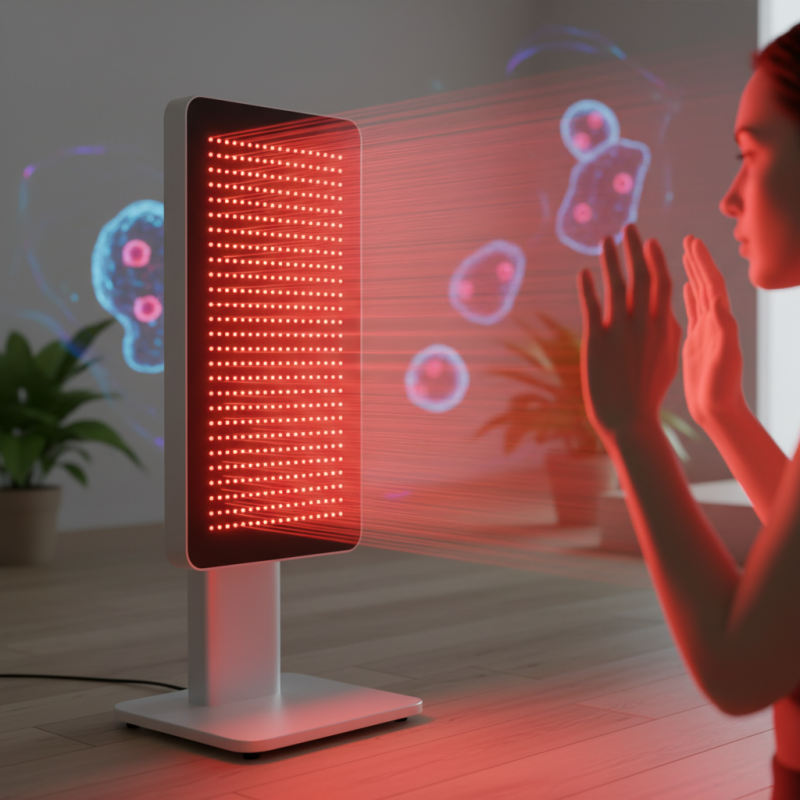
What is a Red Light Device?
A red light device is an innovative tool that utilizes specific wavelengths of light, primarily in the red and near-infrared spectrum. This technology works by penetrating the skin to stimulate cellular processes. Research suggests that red light therapy can enhance collagen production and improve skin texture. In fact, a report by the NIH indicates that it can assist in reducing wrinkles and fine lines.
These devices primarily target mitochondria within cells. Mitochondria are known as the cell's powerhouse. When exposed to red light, they become more efficient in energy production. A study published in the Journal of Biophotonics found that red light therapy might improve wound healing by stimulating tissue regeneration. Participants in trials showed significant improvements, shedding light on its potential therapeutic benefits.
While many users report positive outcomes, experiences can vary greatly. Some may see remarkable results, while others find little difference. It’s essential to approach red light therapy with cautious optimism. Users should consider factors like device quality and treatment duration. Individual responses can depend on skin type and underlying conditions. Data indicates that consistency is key.
History and Development of Red Light Therapy
Red light therapy has roots that date back to the early 20th century. Initially, it emerged from the discovery of how light can influence human biology. Scientists observed that light exposure could boost healing processes. This sparked interest in developing related therapies.
Throughout the decades, researchers explored the health benefits of red and near-infrared light. In the 1960s, Dr. Endre Mester conducted experiments using low-level lasers on rats. His findings showed accelerated wound healing and hair regrowth. This marked a turning point for red light therapy. It began to gain credibility in medical communities.
Technological advancements in recent years have propelled red light devices into mainstream wellness. However, many people still question their effectiveness. It's important to understand the science behind these devices. Studies show promising results, yet more rigorous research is needed. The journey of red light therapy is still unfolding, inviting further exploration.
How Red Light Devices Work: Mechanism of Action
Red light devices leverage low-wavelength light to promote healing and reduce inflammation. These devices emit light typically in the 600 to 1000 nanometer range. Research indicates that red light can penetrate the skin to stimulate cellular processes. This boosts ATP production in mitochondria, the energy-producing parts of cells. A review by the Journal of Biophotonics found a significant increase in ATP levels when red light was applied to human cells.
The mechanisms behind red light therapy involve complex biological responses. Studies have shown that red light can enhance collagen production and improve circulation. This results in better skin health and accelerated wound healing. A clinical trial published in the Photomedicine and Laser Surgery journal reported a 40% improvement in tissue repair rates with regular red light exposure. However, individual responses to treatment can vary. Some may experience minimal effects, emphasizing the need for personalized approaches in therapy.
Understanding the action of red light devices requires careful consideration. While many experience benefits, some may feel skeptical due to the varied results. Factors like skin type, treatment duration, and device quality can influence outcomes. Industry reports suggest more research is needed to fully grasp the extent of these effects. This calls for a critical approach to evaluating the efficacy of red light therapy.
Benefits of Using Red Light Devices
Red light devices have gained popularity due to their growing list of benefits. These devices emit specific wavelengths of light, usually in the range of 600 to 650 nanometers. This type of light penetrates the skin, encouraging various physiological processes. Users often report improved skin tone and reduced signs of aging. Many also claim these devices help heal wounds and reduce inflammation. They can support muscle recovery and enhance performance.
Benefits of using red light devices extend beyond aesthetics. Users have noted a significant reduction in chronic pain and joint discomfort. This non-invasive method creates a sense of relief without the need for medication. Athletes often find it particularly beneficial for speeding up recovery times. Some individuals even mention improved sleep quality as a result of using these devices regularly. While these claims are promising, they may vary for each person. Ongoing research continues to explore the full spectrum of benefits associated with red light therapy.
What is a Red Light Device and How Does It Work? - Benefits of Using Red Light Devices
| Benefit | Description | Scientific Support | Usage Recommendations |
| Skin Rejuvenation | Helps improve skin tone, texture, and reduce wrinkles. | Numerous studies support collagen production increase. | Recommended 10-15 minutes per session, 3-5 times a week. |
| Pain Relief | Reduces inflammation and pain in muscles and joints. | Supported by research showing reduction in pain levels. | Use for 15-20 minutes on affected areas as needed. |
| Wound Healing | Accelerates the healing process for various injuries. | Clinical trials demonstrate faster healing rates. | Apply to wounds for 10-20 minutes daily until healed. |
| Improved Sleep | May enhance melatonin production, improving sleep quality. | Studies indicate improved sleep patterns with usage. | Use 30 minutes before bedtime for best results. |
| Hair Growth | Stimulates hair follicles to promote hair growth. | Research supports effectiveness in treating hair loss. | Recommended to use 2-3 times per week for optimal results. |
Safety Considerations and Potential Side Effects
Red light therapy devices have gained popularity for their purported health benefits. However, safety considerations are essential for users. Research indicates that while red light therapy is generally safe, certain users may experience side effects. In a study published in the Journal of Photochemistry and Photobiology, participants reported mild skin irritation in about 5% of cases.
Individuals with photosensitivity should exercise caution when using these devices. The American Academy of Dermatology notes that those on specific medications or with certain conditions may react negatively to light exposure. It is crucial to consult a healthcare provider before starting treatment. While the majority of users find red light therapy beneficial, understanding personal health risks can help mitigate potential issues.
Studies show that potential side effects, though rare, can include eye strain or discomfort. Researchers recommend wearing protective eyewear to avoid adverse reactions. The National Institutes of Health suggests that while red light is largely safe, assessing one’s health background is vital for a satisfactory experience. Each individual’s response to therapy may differ, emphasizing the importance of a cautious approach.