What is a Water Pressure Regulator and How Does It Work?
A Water Pressure Regulator is a vital component in plumbing systems. It controls the pressure of water flowing into your home. Many homeowners might overlook this device, but it plays a crucial role in ensuring a consistent water flow. Without it, high water pressure can cause damage to pipes and appliances.
Understanding how a Water Pressure Regulator works can prevent costly repairs. This device reduces the incoming pressure to a safe level, providing steady water delivery. Furthermore, it enhances the lifespan of your plumbing fixtures. Homeowners must recognize its importance. Regulating water pressure can lead to energy savings and reduced utility bills.
However, not all regulators are created equal. Some may need frequent adjustments or replacements. It’s essential to assess the specific needs of your home. A professional plumber can provide insights on the best regulator for your situation. Ignoring this aspect could lead to inefficient systems and unexpected expenses. By prioritizing the right Water Pressure Regulator, you ensure a reliable water supply while protecting your home.
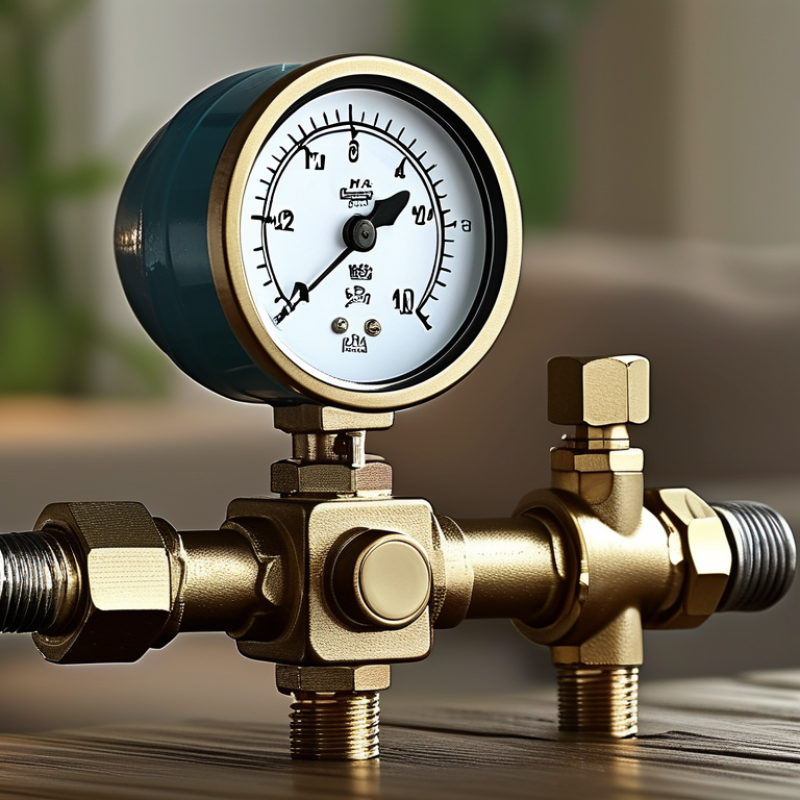
Definition of Water Pressure Regulator and Its Purpose
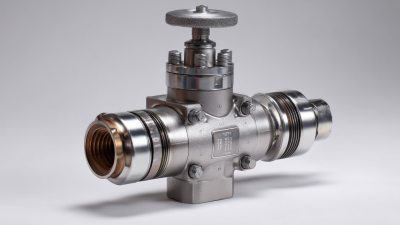
A water pressure regulator is a device that controls the water pressure in your plumbing system. Its primary purpose is to ensure that water supplied to your fixtures is at a safe and consistent level. This is important because high pressure can cause pipes to burst or fixtures to wear out quickly. A regulator helps maintain this balance, enhancing the longevity of your plumbing.
Properly functioning regulators can improve water efficiency in your home. They minimize leaks and reduce water usage, offering both environmental and cost benefits. However, it's essential to remember that a malfunctioning regulator may result in irregular pressure levels. This situation can lead to unpredictable flow rates, making tasks like showering difficult or uncomfortable.
When installing or maintaining a water pressure regulator, check for visible signs of wear. Look for leaks, rust, or any unusual noises from the regulator. Regular maintenance can prevent significant issues down the line. A professional inspection, while an added cost, may save money over time by avoiding costly pipe repairs.
What is a Water Pressure Regulator and How Does It Work?
| Dimension |
Description |
| Definition |
A water pressure regulator is a device that controls and maintains a consistent water pressure in plumbing systems. |
| Purpose |
To prevent excessive pressure that can damage pipes and fixtures while ensuring optimal water flow. |
| Types |
- Direct-operated
- Pilot-operated
- Spring-loaded |
| Working Principle |
Regulates pressure by using a spring mechanism that adjusts the valve opening depending on downstream pressure. |
| Installation Location |
Typically installed at the main water line entrance to a home or building. |
| Benefits |
- Protects plumbing fixtures
- Reduces water wastage
- Increases comfort |
| Maintenance |
Regular checking for leaks and ensuring the pressure setting is appropriate for the system. |
How a Water Pressure Regulator Functions Mechanically
A water pressure regulator is a crucial component in maintaining safe and consistent water pressure. Its primary function is to reduce the incoming water pressure from the main supply. This ensures that your plumbing system, appliances, and fixtures are protected from excessive pressure, which can cause leaks or damage over time.
Mechanically, water pressure regulators operate using a diaphragm. This flexible membrane responds to water pressure changes. When water pressure increases, the diaphragm compresses. This compression activates a valve, which restricts the flow of water. Conversely, when the pressure decreases, the valve opens wider, allowing more water to flow through. The design allows for a balanced water pressure, making it an essential feature in modern plumbing systems.
While water pressure regulators are generally reliable, they can wear out or malfunction. Regular maintenance is needed to ensure their effectiveness. It's important to check for leaks or variations in water pressure. Ignoring these signs can lead to costly repairs. Often, an overlooked regulator can lead to inconsistent water flow, impacting daily activities. Understanding how this essential component works can help homeowners make informed decisions about their plumbing systems.
Components of a Water Pressure Regulator Explained
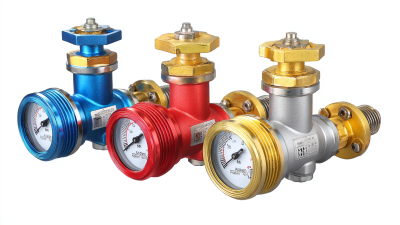
A water pressure regulator is a crucial component for maintaining consistent water pressure in a plumbing system. The main components include the inlet and outlet ports, adjustable spring, diaphragm, and a gauge. These elements work together to ensure that water pressure does not exceed safe levels, typically between 40 to 60 psi, as recommended by the American Water Works Association.
The adjustable spring plays a vital role in this mechanism. It responds to changes in water flow and pressure. When the pressure from the supply line is too high, the diaphragm moves to reduce it before reaching faucets or appliances. A study by the Plumbing Engineers Association found that improperly set regulators can lead to up to a 20% increase in water consumption. This inefficiency highlights the importance of accurate settings and regular maintenance.
Having a gauge helps homeowners monitor the pressure levels easily. However, many fail to check it regularly. This neglect can lead to silent issues like leaks or damaged appliances. Regular inspection is key; an overlooked regulator can compromise the entire plumbing system, leading to costly repairs. An awareness of these components ensures a balanced and efficient plumbing system, fostering responsible water usage.
Benefits of Installing a Water Pressure Regulator
A water pressure regulator is essential for maintaining consistent water pressure in your home. Installing one can significantly benefit your plumbing system. Excessive water pressure can cause leaks, wear out fixtures, and increase your water bill. A regulator helps prevent these issues by controlling the pressure that flows through your pipes.
Lowering the pressure can extend the life of your appliances. For example, washing machines and dishwashers run more efficiently with optimal pressure. This reduction in stress can also minimize costly repairs. Energy efficiency improves, as appliances don’t need to work harder. These advantages lead to a more sustainable household.
It’s crucial to properly size your regulator. An improperly sized unit may fail to provide the right pressure or could wear out quickly. Regular maintenance is also key. Check for leaks or corrosion, as these can indicate that your regulator needs attention. Always consult a professional if you’re uncertain about installation. A small investment in a water pressure regulator can pay off in long-term savings.
Common Issues and Maintenance Tips for Water Pressure Regulators
Water pressure regulators are crucial for maintaining a stable water supply in homes and businesses. However, they can experience issues over time. One common problem is fluctuating water pressure. This might lead to inconsistent water flow, which can be frustrating. Another frequent issue is leaks, often originating from worn-out seals or connections. Identifying these leaks promptly is vital. Left unaddressed, they can result in property damage and increased water bills.
Regular maintenance can prolong the life of your water pressure regulator. Periodically check for any visible leaks or signs of wear. Examine the connections for corrosion or damage, which can affect performance. It’s also essential to test the water pressure regularly. If you notice serious fluctuations, a recalibration may be necessary. Sometimes, replacement parts might be needed, which can be a daunting task. Consulting with a professional can help ensure the correct fixes and adjustments are made.
Keep in mind, even the most reliable systems can falter. Reflect on the maintenance habits you follow. Are you proactive, or do you wait for problems to arise? Consider creating a schedule for routine inspections. A little attention can go a long way in ensuring efficiency and avoiding costly repairs. Water pressure regulators need care, just like any other home appliance.