Water pressure problems often appear in small, frustrating ways: a shower that weakens when a tap opens, pipes that knock, or a washing machine that fills too slowly. A Water Pressure Regulator Valve can help keep incoming pressure within a more suitable range. But choosing one is not just about finding the lowest price or a familiar brand.
The right valve depends on your supply line, household demand, connection size, and the pressure range stated by its manufacturer. Too much pressure may strain plumbing fixtures over time; too little can leave everyday tasks inconvenient. Details matter. A clear adjustment method, durable body, readable specifications, and compatible fittings are useful signs to compare. They do not guarantee a perfect match.
This guide reviews seven options for buyers, focusing on practical differences rather than broad promises. It considers stated pressure ranges, materials, installation requirements, and suitability for common residential setups. Before purchasing, check the pipe size and confirm that the valve’s specifications fit your system. A pressure gauge can help identify actual inlet pressure instead of relying on guesswork. Installation may call for a qualified plumber, especially when access is tight or existing plumbing is old.
One caveat: product descriptions do not reveal how every valve will perform in every home. A low price can be tempting, but replacement parts and clear instructions matter too. Compare carefully, and leave room for a second look.
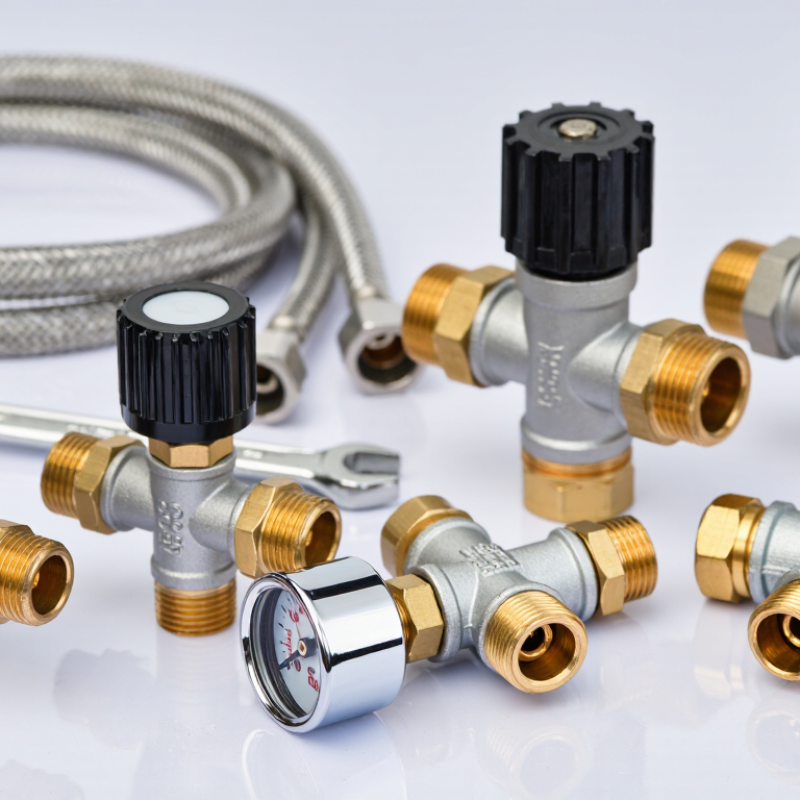
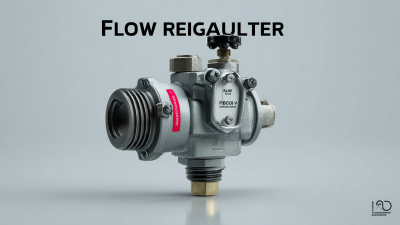
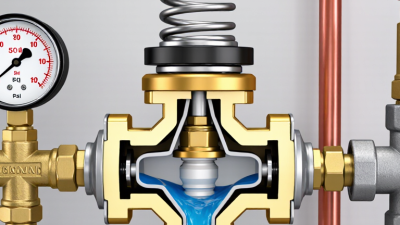
A water pressure regulator valve reduces incoming pressure before water reaches household pipes and fixtures. It uses a spring-and-diaphragm mechanism to keep downstream pressure steadier as supply pressure changes. Without regulation, excessive pressure can contribute to dripping taps, noisy pipes, and stress on appliance connections. Small parts, real consequences.
The 2021 International Plumbing Code, Section 604.8, requires pressure-reducing protection when building water pressure exceeds 80 psi. That figure is a code threshold, not a recommended setting for every home. ASSE 1003 sets performance requirements for potable-water pressure-reducing valves. In practice, a plumber should measure pressure with a gauge and select a setting suited to the plumbing and equipment. Guessing from tap flow alone is unreliable.
These valves are commonly installed near a building’s main water entry, downstream of the meter, where they can regulate water feeding the whole property. Multifamily buildings and commercial spaces may also use regulators on branch lines serving specific areas. Irrigation systems can need separate pressure control for their zones. A regulator does not fix every pressure problem, though; worn fixtures, undersized pipes, or pressure swings may have other causes. The details matter.
7 Best Water Pressure Regulator Valves for Buyers
How to Evaluate Pressure, Flow Rate, and Connection Requirements
A regulator’s pressure range matters, but the reading at one quiet tap can mislead you. Check incoming pressure with a gauge, then observe it while several fixtures run. That second reading reveals how the system behaves under demand. Choose an outlet setting that fits your plumbing and appliance requirements; consult equipment instructions rather than guessing. Too much pressure can strain fittings, while too little may leave a shower weak. Small differences matter.
Flow capacity is easy to overlook. A valve that handles your static pressure may still restrict water when a washing machine fills and a shower runs. Compare the stated flow rate at the expected pressure drop, not just the maximum number on the package. Match connection size and type to your pipework, including thread style and inlet direction. Measure twice. An adapter may fit, but it can add joints and leak points. I would also leave room to reach the adjustment screw and gauge after installation.
Tips: Record pressure before and after adjustment, with taps both closed and running. Check for leaks, then recheck readings after use. If pressure fluctuates sharply or the pipe material is unfamiliar, ask a qualified plumber to assess the setup. A neat installation can still be mismatched.
Compare connection size with estimated flow capacity when evaluating pressure, flow rate, and fit.
Flow estimates are calculated from standard Schedule 40 pipe inside diameters at a fixed water velocity of 5 ft/s; they are not valve performance ratings. Actual flow depends on the regulator’s flow coefficient, pressure drop, and system conditions. Match the valve’s connection type and size to the plumbing, and check its rated flow and pressure range before buying.
Choosing among seven water pressure regulator valves means comparing more than price. An adjustable brass valve suits many household lines, while a gauge-equipped model makes outlet pressure easier to check. A lead-free construction is important for potable-water systems; confirm the product’s certification and local requirements. High-flow designs can better serve homes with several fixtures running, but pipe size and demand still matter. Small details matter.
Compact valves fit tight utility spaces, though their connections may be harder to service. A model with replaceable internal parts can simplify maintenance, if those parts remain available. Dual-union connections allow removal without cutting nearby pipe, but add length and cost. For older plumbing, check inlet and outlet sizes carefully. A mismatch can turn a simple installation into an awkward project.
Compare the stated pressure range, maximum flow, connection type, and service options for each valve. A gauge helps with setup, but it does not replace checking pressure with a suitable test instrument. Installation quality affects results; debris, incorrect adjustment, or water hammer can cause trouble. I would not choose by feature count alone. The best fit depends on the line, fixtures, and access for future repairs. Even a well-matched valve may need occasional inspection.
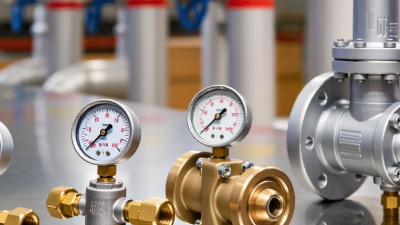
Matching a water pressure regulator to your plumbing starts with a pressure reading, not the pipe’s appearance. Use a pressure gauge at a hose bib or laundry connection, and check both static pressure and pressure while water is flowing. Measure it twice. A large drop during flow may point to a regulator with inadequate capacity, not just a poor setting.
Check the regulator’s inlet range, outlet adjustment range, flow rating, and connection size. The valve must handle your incoming pressure and supply enough water for showers, faucets, and appliances running together. Small details matter. Confirm the connection type and the materials are suitable for your water and plumbing system. A valve that fits the pipe can still be undersized; that mistake is easy to miss.
Set the outlet pressure according to fixture requirements and local plumbing guidance, rather than choosing a number by habit. Many household systems operate in a moderate pressure range, but older pipes and sensitive appliances may need different treatment. Not always. If pressure readings fluctuate, or the regulator’s specifications are unclear, have a qualified plumber assess the system. After installation, test several fixtures and watch the gauge as water flows. A little adjustment may be needed.
| Valve type | Best suited for | Common connection sizes | Typical outlet adjustment | Key advantages | Check before buying |
|---|---|---|---|---|---|
| 1. Standard residential piston regulator | Most houses with a conventional cold-water service line | Commonly ¾ in. or 1 in.; confirm pipe size and end connection | Model-dependent; many residential models cover roughly 25–75 psi | Compact design and straightforward pressure adjustment | Verify flow capacity, maximum inlet pressure, and service-parts availability. |
| 2. Diaphragm-style regulator | Installations where stable downstream pressure across changing demand is important | Often available in ¾ in. and 1 in. sizes, with other sizes depending on the model | Varies by design; use the manufacturer’s specified adjustment range | Flexible diaphragm responds to downstream pressure changes | Check diaphragm material compatibility, operating range, and maintenance requirements. |
| 3. High-flow regulator | Large homes, multiple bathrooms, or plumbing systems with higher simultaneous demand | Commonly 1 in. or larger; size to the service line and required flow | Model-dependent; confirm the regulator can maintain the intended set pressure at design flow | Designed for greater flow capacity than many compact residential units | Compare the published flow curve and pressure drop, not connection size alone. |
| 4. Lead-free potable-water regulator | Drinking-water plumbing where applicable local rules require lead-free wetted materials | Available in common residential sizes; threaded, sweat, or other connections vary by model | Varies by product; check the published range | Intended for potable-water use and may meet applicable lead-content requirements | Look for recognized certification and confirm compliance with local plumbing codes. |
| 5. Regulator with integral strainer | Systems where debris protection is useful and routine access for cleaning is available | Often offered in residential line sizes; connection options are product-specific | Use the stated adjustment range for the selected model | Built-in screen can help catch particles before they reach the regulating mechanism | A strainer does not replace upstream water treatment; ensure the screen can be accessed and cleaned. |
| 6. Serviceable cartridge regulator | Owners or facilities that want replaceable internal components rather than full valve replacement | Size and connection depend on the valve body and cartridge design | Product-specific; verify both adjustment range and replacement-cartridge availability | Serviceable internals can simplify maintenance when compatible parts remain available | Confirm the correct cartridge is obtainable and that the valve can be isolated for service. |
| 7. Commercial or high-inlet-pressure regulator | Commercial systems or service lines with inlet conditions beyond typical residential requirements | Selected by engineered flow and pipe size; sizes vary widely | Specified for the application; do not assume a residential adjustment range | May offer higher capacity, pressure ratings, or service features for demanding systems | Check maximum inlet pressure, pressure rating, flow requirements, and whether professional sizing is needed. |
Buyer note: Valve performance and adjustment ranges vary by model. Measure static and flowing water pressure, match the valve to pipe size and required flow, and confirm potable-water approval and local code requirements. A setting around 50–60 psi is commonly used in homes, but the appropriate setting depends on the plumbing system and appliance requirements.
7 Best Water Pressure Regulator Valves for Buyers
Installation, Adjustment, and Maintenance Considerations
A suitable regulator should match your pipe size, connection type, flow needs, and the pressure range your plumbing requires. Check the valve’s flow-direction arrow before installation; fitting it backward can disrupt water delivery. Shut off the supply and relieve pressure first. A pressure gauge on the downstream side helps you check the result. If pipework is corroded or cramped, a licensed plumber can reduce the risk of leaks. Small details matter.
Tips: Adjust gradually. Turn the adjustment screw in small increments, then check the gauge while a tap runs. Use the valve instructions and appliance requirements to choose a safe setting; there is no single pressure that suits every home. A detail that’s easy to miss: static readings may differ from readings during flow.
Inspect the valve and nearby joints for moisture, mineral buildup, or unusual pressure changes. Recheck the gauge periodically, especially after plumbing work or a noticeable change in flow. Some models have a cleanable strainer; follow the manual before opening anything, and isolate the water supply. I’d avoid guessing if pressure keeps fluctuating. The cause may be elsewhere in the system, and repeated adjustment can hide the real problem.