


What Is a Water Pressure Regulator Valve?
A Water Pressure Regulator Valve controls incoming water pressure before it reaches household plumbing. It is commonly installed where municipal supply pressure exceeds a safe level for pipes, faucets, heaters, or appliances. Without regulation, a quiet kitchen tap can become a sharp, damaging surge.
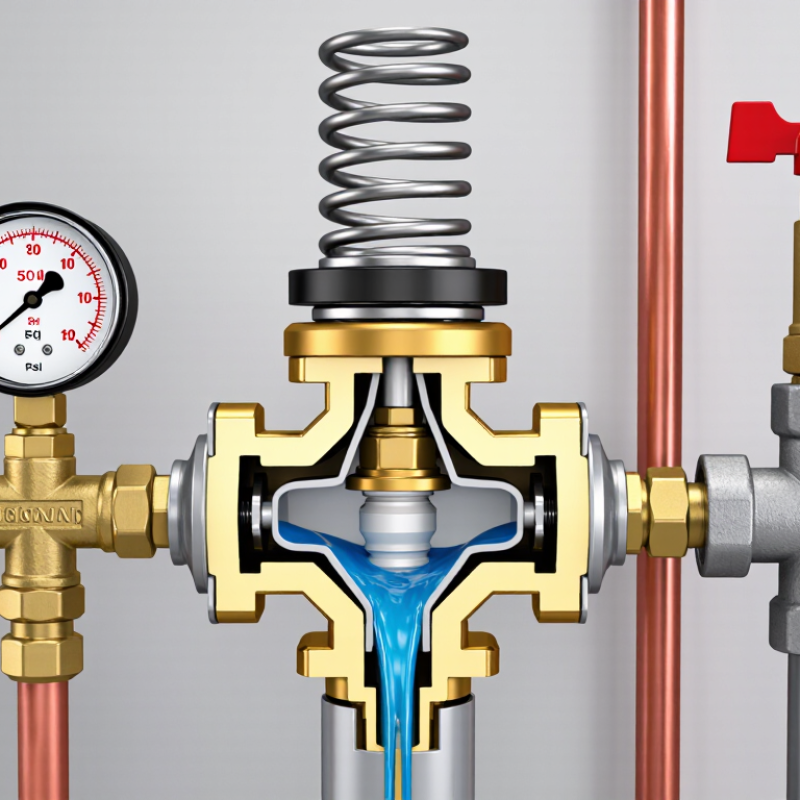
Inside the valve, a spring and diaphragm respond to pressure changes. When pressure rises, the mechanism restricts flow. When it falls, the valve opens slightly to maintain a steadier supply. A pressure gauge can make this behavior visible. You may notice the needle move when a washing machine fills or a toilet flushes. Those small movements matter.
The correct setting depends on the building, fixtures, and local plumbing requirements. Many residential systems operate near 40 to 60 psi, but one number does not suit every property. A qualified plumber should inspect the main line, expansion tank, shutoff valves, and possible leaks. Installation is not always complicated. It is easy to underestimate, though.
A reliable regulator should be selected for flow capacity, connection size, service conditions, and maintenance access. It may need cleaning or replacement after years of mineral buildup. Some pressure problems come from the regulator. Others come from blocked pipes, failing valves, or inaccurate gauges. That distinction requires testing, not guessing.
This guide explains how a Water Pressure Regulator Valve works, where it belongs, and what warning signs deserve attention. The goal is practical understanding, not false certainty. Plumbing systems vary. Good advice should acknowledge that.
Water Pressure Regulator Valves: Definition, Purpose, and Main Components
What Is a Water Pressure Regulator Valve?
A water pressure regulator valve controls incoming water pressure before it reaches household fixtures. The International Plumbing Code identifies 80 psi as the point where pressure control is generally required. Excessive pressure can stress washing machines, faucets, water heaters, and flexible supply lines.
Its purpose is practical: maintain a steadier downstream pressure during changing supply conditions. The U.S. Environmental Protection Agency’s WaterSense program reports that household leaks waste nearly 1 trillion gallons of water annually in the United States. High pressure is not the only leak cause, but it can make weak connections fail faster. Lower pressure may also reduce water waste, although an aggressive setting can create poor shower performance.
The main components include a valve body, diaphragm or piston, spring, adjustment screw, and inlet strainer. Some models include gauge ports, bypass features, or internal relief protection. The spring senses downstream pressure through the diaphragm. When pressure rises, the valve partially closes. When demand increases, it opens further.
Small details matter. A blocked strainer can imitate a faulty valve. Sediment may also cause unstable pressure. In field inspections, I check static pressure first, then test pressure while water flows. The reading is not always perfect. Temperature, pipe size, and fixture demand can change results. A practical starting range is often near 50–60 psi, but the property’s plumbing design should guide the final adjustment. The ASSE 1003 standard provides performance requirements for water pressure reducing valves.
What Is a Water Pressure Regulator Valve? - Water Pressure Regulator Valves: Definition, Purpose, and Main Components
| Data Dimension | Typical Information | Practical Significance |
|---|---|---|
| Definition | A water pressure regulator valve is a mechanical device that reduces and maintains the pressure of incoming water at a lower, controlled downstream pressure. | It separates a higher or fluctuating supply pressure from the pressure level required by a building’s plumbing system. |
| Primary purpose | To protect plumbing fixtures, appliances, pipes, and water heaters from excessive or unstable water pressure. | Controlled pressure can reduce stress on the plumbing system and help limit leaks, noise, and premature component wear. |
| Common installation location | Usually installed on the main water service line after the water meter and before interior distribution piping. | Installing it near the point where water enters the building allows one valve to regulate most downstream fixtures. |
| Typical downstream pressure range | Many adjustable residential regulators are set within approximately 30–80 psi, depending on the system and local requirements. | The correct setting should provide adequate flow while remaining within the limits of the plumbing system and applicable codes. |
| Common residential pressure target | A setting around 50–60 psi is commonly used in residential applications when compatible with local code and system design. | The actual target should be verified with a pressure gauge and adjusted according to building requirements. |
| Main valve body | The pressure-containing housing, commonly manufactured from corrosion-resistant metal or approved engineered material. | It connects the inlet and outlet piping and houses the internal regulating parts. |
| Inlet and outlet connections | Threaded, soldered, press, or other connection types may be available; common residential sizes include ½, ¾, and 1 inch. | The connection type and size must match the existing pipework and required flow capacity. |
| Diaphragm | A flexible membrane that senses downstream pressure and transfers that pressure to the regulating mechanism. | Its movement helps the valve respond when water demand changes. |
| Spring and adjustment screw | The spring supplies a balancing force, while the adjustment screw or bolt changes spring compression. | Turning the adjustment mechanism usually changes the regulated outlet pressure; a pressure gauge should be used during adjustment. |
| Valve seat and disc | The internal sealing surfaces that control the opening through which water flows. | They throttle flow to maintain the desired downstream pressure as inlet pressure or demand changes. |
| Strainer or screen | Some regulator designs include an inlet screen that captures dirt and pipe debris. | A clean strainer supports reliable operation; a blocked screen can reduce flow and cause pressure problems. |
| Pressure gauge connection | Many regulators provide a threaded port for installing a downstream pressure gauge. | A gauge helps measure static and flowing pressure and confirms whether adjustment or maintenance is needed. |
| Flow direction | The valve must be installed in the direction shown by the flow arrow on its body. | Incorrect orientation can prevent proper regulation and may restrict water flow. |
| Pressure behavior | The valve reduces pressure while water is flowing and may allow downstream pressure to rise slightly when there is no flow, depending on the system. | A thermal expansion tank may be required in closed plumbing systems to manage pressure increases caused by heated water. |
| Maintenance indicators | Symptoms may include fluctuating pressure, reduced flow, unusual noise, leaking, or pressure that is consistently too high or too low. | Inspection should include pressure testing, checking connections, and cleaning or replacing serviceable internal parts when permitted by the valve design. |
Related Posts
-
China Best Back Pressure Regulator Supplier?
-

How to Choose the Right Water Pressure Regulator Valve for Your Home?
-
What Are the Top Pneumatic Flow Control Valve Types in 2026?
-
Mastering the Best Pneumatic Regulator Understanding Specifications and Performance Metrics in Depth
-
Choosing Quality Manufacturers for the Best Steam Pressure Reducing Valve Solutions
-

Innovative Air Flow Control Valve Solutions Spotlighted at Expanding International Market During 137th Canton Fair