What Are China Top Pressure Reducing Valve Manufacturers?

Choosing a reliable Pressure Reducing Valve manufacturer in China requires more than comparing prices or polished brochures. The right supplier must demonstrate stable outlet pressure, accurate spring calibration, durable materials, and documented factory testing. In this article, we examine leading Chinese manufacturers through practical criteria, including product range, certification, machining quality, testing procedures, delivery performance, and technical support.

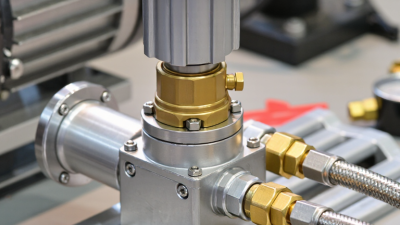
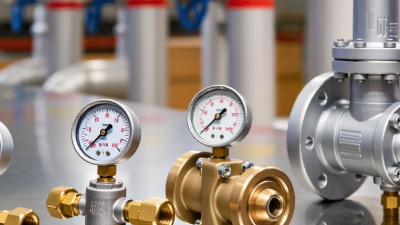
A useful reference comes from control valve expert Dr. Béla G. Lipták: “The control valve is the final control element in the process control loop.” This principle also applies to a Pressure Reducing Valve. A small pressure fluctuation can affect a steam line, water network, or compressed-air system. Imagine a gauge needle moving steadily while a valve operates beside a hot pipeline. That visible detail often reveals more than a marketing claim.

Experience matters.

Manufacturers such as Neway, SUFA, and other established Chinese valve producers may serve different industrial segments. However, no single company is automatically the best choice for every project. A refinery may require high-temperature alloy components, while a building water system may prioritize compact design and easy maintenance. Buyers should inspect test certificates, pressure ratings, material traceability, and after-sales response before approving a supplier.

This comparison is not perfect. Public product information can be incomplete, and factory capabilities may change. Therefore, the final decision should include sample testing, technical review, and confirmation of applicable standards. A dependable manufacturer should explain its limitations clearly, not merely promise excellent performance.
What Are China Top Pressure Reducing Valve Manufacturers?

What Are Pressure Reducing Valves and How Do They Work?

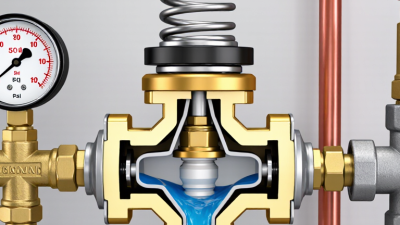
Pressure reducing valves control excessive inlet pressure and deliver a steadier downstream flow. They protect pipes, meters, heaters, and sensitive fixtures from sudden pressure spikes. Inside the valve, a spring-loaded diaphragm senses downstream pressure. When pressure rises, the diaphragm moves and narrows the valve opening. When demand increases, it opens wider.

The mechanism is simple, but installation details matter. A typical water system may receive pressure far above household requirements, especially near elevated tanks or pumping stations. EN 1567 covers water pressure-reducing valves for building services, while ISO 5208 defines valve pressure-testing methods. These standards support safer selection and verification.

The WHO and UNICEF Joint Monitoring Programme reported that 2.2 billion people lacked safely managed drinking water in 2022. That figure makes reliable pressure control more than a comfort issue.

Sizing should consider flow rate, pressure range, temperature, and possible cavitation. A valve that is too small can create noise and unstable flow. One that is oversized may hunt between open and closed positions. Field technicians should install a strainer upstream, allow service access, and verify pressure with calibrated gauges. The U.S. Department of Energy notes that pumping efficiency depends heavily on system design and operating conditions. Pressure reduction can lower stress, but it does not automatically reduce energy use. Real systems are less tidy than diagrams. Testing after installation remains essential.

What Defines a Leading Chinese Pressure Reducing Valve Manufacturer?

What Defines a Leading Chinese Pressure Reducing Valve Manufacturer?

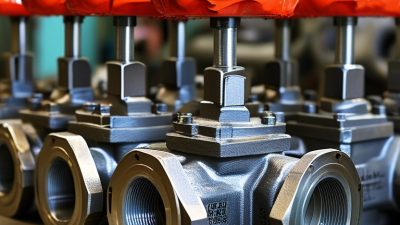
A leading Chinese pressure reducing valve manufacturer begins with verified engineering experience. Its team understands water, steam, gas, and demanding industrial applications. Engineers should select body materials, spring ranges, and sealing systems according to pressure and temperature data. A valve cannot be judged by appearance alone. Internal machining matters.

Reliable manufacturers control each production stage. They inspect castings, measure critical dimensions, and test pressure stability before shipment. Test records should identify the valve, material batch, calibration equipment, and inspection date. This traceability helps buyers investigate problems without guessing. It also shows professional discipline. Small leaks often reveal larger process weaknesses.

Practical experience matters in the field. A capable supplier can explain installation direction, filtration needs, adjustment limits, and maintenance intervals clearly. It should provide readable drawings and technical documents in accurate language. International certifications may support credibility, but certificates need proper scope and current verification. Not every factory with impressive equipment delivers consistent results. That uncomfortable point deserves attention. Buyers should request sample reports, inspect production areas, and discuss a real operating case. After-sales support is equally important, especially when pressure fluctuates after installation. Sometimes, even a well-designed valve fails because the system data was incomplete. A trustworthy manufacturer admits this possibility and helps review the whole application.

What Defines a Leading Chinese Pressure Reducing Valve Manufacturer?

A strong manufacturer should support multiple standardized nominal pressure classes, enabling pressure reducing valves to serve water, steam, gas, and general industrial applications. The chart shows common PN pressure classes expressed in bar; actual allowable pressure depends on temperature, material, and applicable standards.

Reference basis: PN values are standardized nominal pressure designations commonly used in industrial valve selection. Broader coverage, accurate control, material traceability, testing capability, and compliance documentation are key indicators of manufacturing competence.

Which China-Based Manufacturers Are Notable in This Industry?

China-based pressure reducing valve manufacturers are notable for their range, pricing, and expanding export experience. The strongest suppliers usually specialize in waterworks, HVAC systems, steam lines, or industrial process control. Their factories often combine CNC machining, automated assembly, and pressure testing on each production batch.

A 2024 report from Grand View Research valued the global industrial valves market at about USD 78.9 billion in 2023. It also projects steady growth through 2030. This demand supports China’s large manufacturing base, especially among producers serving municipal water projects and industrial plants. Notable Chinese manufacturers commonly offer ductile iron, stainless steel, and cast steel bodies. Some also provide pilot-operated designs for stable downstream pressure.

Factory visits reveal useful differences. Better suppliers show calibrated test benches, traceable material certificates, and clear inspection records. Many work under ISO 9001 systems and test products against recognized pressure and leakage standards. However, certification alone proves little. A supplier may have excellent documentation but limited field experience with corrosive water or rapid load changes.

I would compare flow curves, adjustment ranges, spare-part availability, and actual project references. Ask for test videos, not only brochures. Small manufacturers can be surprisingly capable. Large production capacity is not always better. Product consistency still needs verification.

How Do Chinese Manufacturers Compare by Products and Capabilities?

China’s leading pressure reducing valve manufacturers differ more by engineering depth than by catalogue size. Grand View Research’s 2024 assessment places Asia-Pacific above 40% of global pressure-control valve revenue, reflecting strong regional demand. Chinese suppliers commonly offer direct-acting valves for compact water systems and pilot-operated models for steam, oil, and industrial networks. Stainless steel, ductile iron, and forged steel bodies cover different temperature and corrosion conditions. Product breadth is substantial.

Capability varies sharply. Better-equipped factories use CNC machining, automated pressure testing, and traceable material records. Their laboratories can verify flow stability, leakage, response time, and pressure recovery. ISO 5208 testing is a useful baseline, but it does not prove long-term field reliability. Buyers should also examine performance data under dirty water, thermal cycling, and changing inlet pressure. These details often expose the real difference.

The 2024 Mordor Intelligence industrial valves report identifies Asia-Pacific as the fastest-growing regional market, increasing pressure on Chinese manufacturers to improve export support and customization. Some suppliers provide simulation, actuator integration, and remote monitoring; others mainly assemble standard models. That distinction matters. A capable manufacturer should explain Cv values, set-pressure tolerances, test methods, and spare-parts availability clearly. Certifications can help, but paperwork alone is not engineering evidence. In practice, a smaller factory with disciplined testing may outperform a larger exporter. My concern is simple: many comparison tables reward low price, while ignoring unstable pressure after installation.

How Can Buyers Select the Right Chinese Manufacturer?

Selecting a Chinese pressure reducing valve manufacturer requires more than comparing unit prices. Grand View Research valued the global industrial valves market at approximately USD 76.49 billion in 2023, with continued growth expected through 2030. This expansion attracts capable factories, but also creates crowded supplier lists. Buyers should verify production experience, not just sales claims.

Request material certificates, pressure-test records, calibration details, and serial-number traceability. Confirm whether testing follows ISO 5208 or another recognized standard. Ask for the exact valve body material, spring range, connection standard, and temperature limits. A serious manufacturer should provide drawings and inspection procedures before receiving an order.

Documentation matters. Test the sample.

Factory audits can reveal practical weaknesses. Inspect machining areas, assembly benches, storage conditions, and final testing equipment. Check whether operators record torque values and test pressure digitally. Independent inspection is useful for larger shipments. It can identify leakage, coating damage, or incorrect dimensions before delivery. Industry reports often describe quality and supply-chain resilience as major valve-market priorities, yet buyers sometimes overlook after-sales response time. Ask for spare-part lead times, warranty conditions, and technical support in writing. I would not select the cheapest offer automatically. However, a higher price proves little without traceable evidence. A balanced scorecard covering quality, delivery, compliance, communication, and lifecycle cost is safer than intuition alone. Procurement teams should also review the latest factory audit, because past performance can change.