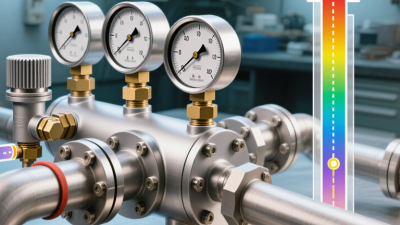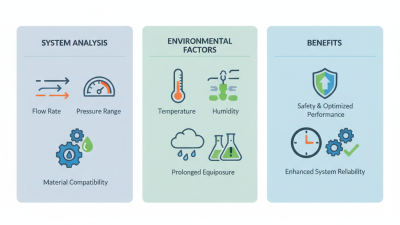
Choosing a High Pressure Regulator starts with the system, not the product photo. Identify the gas or liquid, maximum inlet pressure, required outlet pressure, and expected flow rate. These values shape regulator selection and help prevent poor control or unsuitable operation. A regulator that handles the pressure may still struggle to deliver steady flow.
Check that the wetted materials suit the fluid and operating environment. Review the manufacturer’s pressure ratings, temperature limits, connection sizes, and published performance data. Then consider how the regulator will be installed: Will gauges be easy to read? Is there room to adjust the control knob? Small parts matter. A useful pressure gauge can reveal unstable supply or an outlet setting that has drifted.
Also consider what happens if pressure rises unexpectedly. Depending on the application, the system may need a separate relief device or other protective measures. Follow the regulator manufacturer’s instructions and consult a qualified engineer when the operating conditions are unclear. Pressure ratings are not interchangeable. That detail is easy to miss.
A careful choice balances pressure range, flow capacity, compatibility, and maintainability. In practice, the simplest-looking option is not always the right one. I would double-check the assumed flow demand; real use can differ from a catalog example. Comparing documented specifications with actual system requirements makes the decision more reliable and gives installers a clearer basis for commissioning and routine inspection.
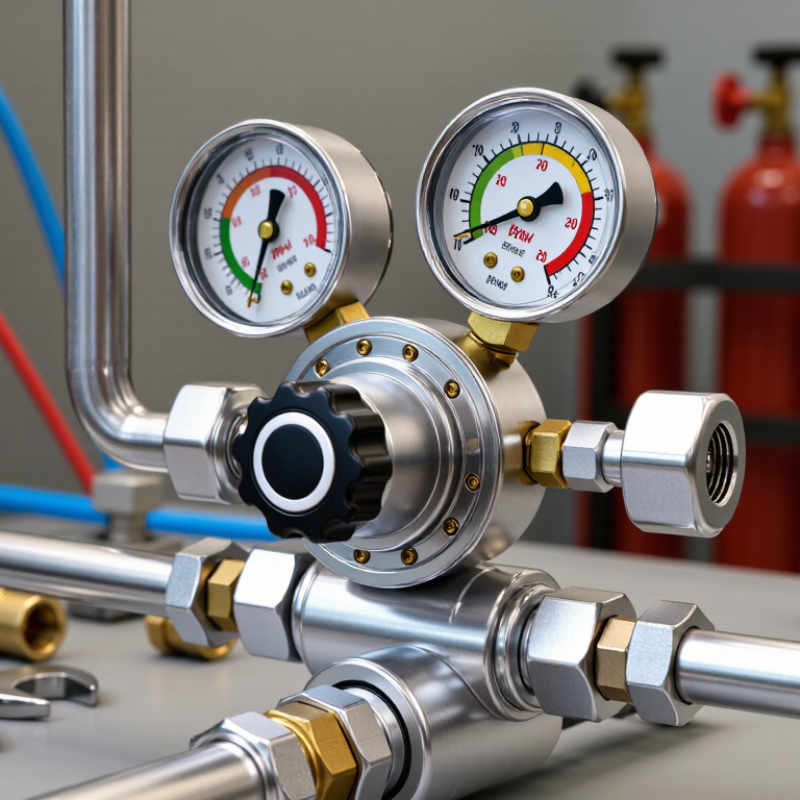
A high-pressure regulator reduces pressure from a supply source and maintains a more stable pressure downstream. Inside, a sensing element, such as a diaphragm or piston, responds to outlet pressure and adjusts a valve. When downstream pressure falls, the valve opens to admit more gas or fluid. When pressure rises, it restricts the flow. The mechanism is simple in principle, but performance depends on the regulator’s design and operating conditions.
Watch the outlet gauge as demand changes. A cylinder pressure may decline as its contents are used, while the regulator works to keep outlet pressure steady. The reading can still fluctuate if flow exceeds the unit’s capacity or inlet pressure falls below its required range. Small details matter. Check the expected inlet pressure, outlet setting, flow rate, temperature, and compatibility of wetted materials with the service fluid. A gauge helps with monitoring, but it does not replace a correctly rated regulator or appropriate pressure-relief protection. A regulator can appear properly adjusted at low flow and behave differently under sustained demand. That is easy to miss, so operating conditions should be checked—not just the initial gauge reading.
Choosing a high pressure regulator begins with the pressure range, not the connection size. Record the highest inlet pressure and the outlet pressure your equipment needs. Then estimate the maximum flow rate during normal operation. A regulator set to the right pressure may still struggle if demand rises. Numbers matter. Check capacity at the lowest expected inlet pressure, since available flow can change as supply pressure falls.
Tips: Write down the gas, inlet range, outlet setpoint, and peak flow before comparing specifications. Check details against the regulator’s rated limits.
Gas type matters because seals and internal materials must be compatible. Also consider operating temperature and whether the gas is clean or may carry moisture or particles. Look for published flow data and pressure-droop information; outlet pressure can dip as flow increases. Use gauges with suitable ranges, and make sure the regulator is rated for the system’s maximum pressure. I would not assume that a close-looking model will behave the same under real demand. Verify the specifications, then review the choice against actual operating conditions. A small mismatch can show up as unstable pressure at the tool or process.
| Selection factor | What to identify | Illustrative requirement | Why it matters |
|---|---|---|---|
| Gas and purity | Specify the gas, mixture, purity, and any moisture or contamination limits. | Nitrogen, 99.9% purity | Wetted materials and seals must be compatible with the gas and required cleanliness. Oxygen service requires components specifically designed and cleaned for oxygen use. |
| Maximum inlet pressure | Check the highest pressure the regulator may receive, including the source’s maximum fill pressure and temperature conditions. | Example: 200 bar (about 2,900 psi) maximum inlet pressure | The regulator’s rated inlet pressure must meet or exceed the maximum possible supply pressure. Do not select from normal operating pressure alone. |
| Required outlet pressure | Determine the normal delivery pressure and the lowest and highest pressures allowed by the downstream equipment. | Example: 8 bar (about 116 psi) operating pressure | Choose an outlet-pressure range that includes the setpoint and is appropriate for the application. Confirm the downstream equipment’s pressure rating and required overpressure protection. |
| Flow rate | Record peak and typical demand, and state the flow unit and reference conditions. | Example: 100 standard L/min (SLPM); confirm the standard temperature and pressure used | Flow capacity depends on the regulator model, gas, inlet pressure, outlet pressure, and allowable pressure droop. Check the manufacturer’s flow curves at the actual operating conditions. |
| Inlet-pressure variation | Consider how much the source pressure changes as a cylinder or supply is used. | Example: cylinder pressure decreases during use | Changing inlet pressure can affect outlet pressure and available flow. Review the regulator’s droop and supply-pressure effect data for the full operating range. |
| Regulator configuration | Decide whether one-stage or two-stage regulation is appropriate and whether a relief device is needed. | Example: two-stage regulation where steadier delivery is important as cylinder pressure falls | A two-stage design can reduce outlet-pressure variation caused by changing inlet pressure, but the right choice depends on the application and regulator specifications. Relief protection must be designed for the system. |
| Connections and installation | Confirm inlet and outlet connection type, size, pressure rating, mounting, and any applicable gas-cylinder connection standard. | Example: connections matched to the supply cylinder and downstream tubing | Correct, pressure-rated connections help prevent leaks and incompatible assembly. Use suitable fittings and follow the applicable installation and leak-testing procedures. |
| Operating environment | Check ambient temperature, vibration, corrosion exposure, indoor or outdoor use, and required approvals. | Example: indoor installation at room temperature | Environmental conditions and regulatory requirements can affect material choice, seal selection, installation, and permitted use. |
Illustrative values are examples, not universal specifications. Verify gas compatibility, pressure ratings, flow curves, connections, and applicable safety requirements against the regulator documentation and system design.
Choosing a high-pressure regulator means matching both its control design and wetted materials to the gas, inlet pressure, and required flow. A single-stage regulator is compact and often suits a steady supply. A two-stage unit reduces outlet-pressure drift as cylinder pressure falls, which matters when test results depend on consistent pressure. For pulsing flow or demanding control, check the regulator’s rated capacity and droop curve, not just its maximum pressure. Small details matter.
Material choice begins with compatibility. Stainless steel generally offers stronger corrosion resistance than brass in many service conditions, while brass can be suitable for compatible, non-corrosive gases. Neither is universally safer. Moisture, contaminants, temperature, and gas chemistry can change the decision. The AMPP IMPACT study estimated global corrosion costs at US$2.5 trillion annually, or 3.4% of global GDP; that figure covers many industries, but it shows why material degradation deserves attention. Confirm pressure ratings and seals with the gas supplier’s technical documentation.
A regulator’s pressure rating is not a single number to glance at. Check the maximum inlet pressure, the outlet-pressure range, and the pressure limits of connected hoses and equipment. Each part must be suitable for the system’s actual conditions. A regulator rated for the outlet pressure may still be unsuitable if its inlet rating is too low. Small details matter.
Read the data plate or technical sheet, and confirm units carefully; bar and psi are easy to confuse. Match the regulator’s materials to the gas or fluid, and check its permitted temperature range. Look for clearly specified safety features, such as an overpressure relief device, but verify what it protects and where it vents.
A pressure gauge helps with monitoring, yet it does not prevent pressure from exceeding a safe limit. I still check twice. Confirm whether the regulator has a defined failure response and whether downstream equipment needs separate protection.
Do not assume a relief feature is included just because a regulator has a gauge. That is not enough.
If ratings or connections are unclear, pause installation and consult the equipment documentation or a qualified technician.
How to Choose a High Pressure Regulator?
Selecting and Installing the Right Regulator
Choose a regulator for the actual gas, inlet pressure, outlet range, and required flow—not pressure rating alone. Check the flow curve for outlet-pressure droop as demand rises. Confirm that body and seal materials suit the gas and operating temperature. A tempting shortcut is choosing by inlet pressure alone; it can overlook flow needs. Small details matter.
Installation affects performance. Mount the regulator in the position specified by its manufacturer, with clean, compatible tubing and no strain on the connections. Add suitable gauges to monitor inlet and outlet pressure, and keep the outlet setting within the system’s rated limits. The U.S. Department of Energy’s Improving Compressed Air System Performance guide reports that leaks can waste 20–30% of compressor output. That figure concerns whole compressed-air systems, not regulators alone, but it makes leak checks worthwhile.
Tips: Isolate and safely depressurize the line before installation or adjustment. Check connections for leaks using an approved method, then raise pressure gradually while watching both gauges. If pressure drifts or flow falls short, revisit sizing and the installation—not just the setpoint. Even a sound selection can disappoint when actual demand differs from the design estimate.
Selecting and Installing the Right Regulator
Example design scenario only—not a product rating: the supply varies from 100 to 200 bar(g), with a 10 bar(g) outlet target. Select a regulator rated for the maximum inlet pressure and able to deliver the required outlet pressure and flow. Confirm gas compatibility, temperature limits, capacity, and outlet-pressure stability; install in the specified flow direction and leak-test the system safely.