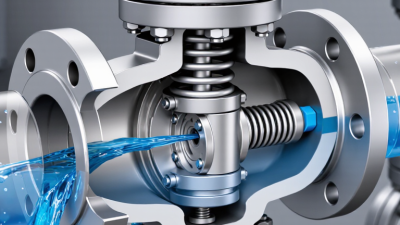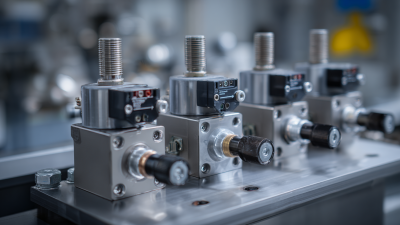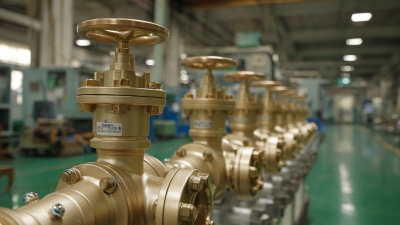

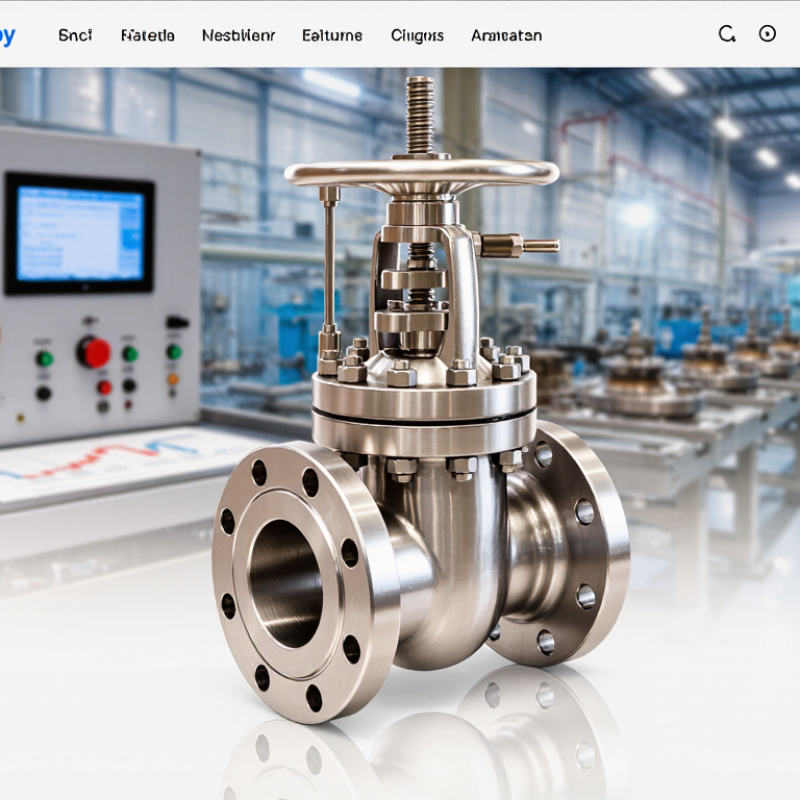
Flow valves regulate, redirect, or stop liquid and gas inside a pipe system. Their job is not simply to open or close a line. Some designs make gradual adjustments, helping operators control flow rate or maintain stable pressure. Others provide quick isolation during maintenance. Small changes matter. A few degrees of movement can affect the flow through a control valve, though the result depends on valve design and operating conditions.
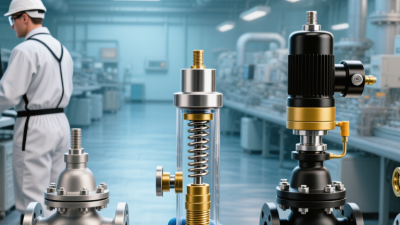
You will find flow valves in water-treatment plants, heating and cooling systems, irrigation networks, and process facilities. In a treatment plant, a valve may meter water entering a filter. In a building, it can help balance hot-water flow between floors. Material choice, pressure rating, fluid temperature, and the presence of solids all influence selection. A valve that works well with clean water may wear faster with abrasive fluid. Fit matters. Specifications and site conditions do not always match perfectly, so engineers should check actual operating data before choosing a valve. Oversizing is an easy detail to miss, and it can make precise flow control harder.