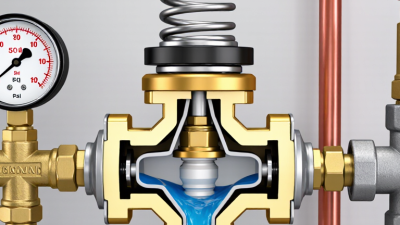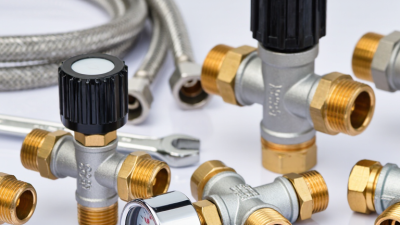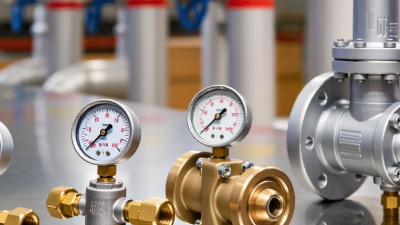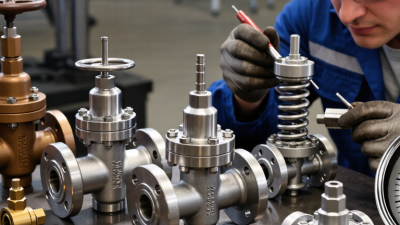
Choosing a Water Regulator Valve in 2026 is not just a matter of matching pipe size. The right choice depends on inlet pressure, required outlet pressure, flow demand, water quality, and the consequences of failure. A valve that performs well in a quiet residential line may struggle in a building with sharp demand changes. Small details matter: a pressure gauge, service clearance, and the valve’s stated flow range can affect installation and long-term performance.
The U.S. Environmental Protection Agency’s WaterSense program estimates that household leaks waste nearly one trillion gallons of water nationwide each year. That figure covers many kinds of leaks, not failures caused specifically by pressure regulators. Still, it shows why pressure control deserves careful attention. Review the manufacturer’s pressure limits and technical data, and compare them with actual site measurements. Do not rely on a single reading taken when the system is idle.
A useful guide should also separate verified advice from attractive claims. No source material was provided naming a Water Regulator Valve specialist or documenting a direct quotation. Inventing an expert endorsement would undermine reliability, so this introduction does not attribute one. That gap is worth noting. The sections ahead focus on verifiable selection criteria, including sizing, materials, adjustment range, maintenance access, and application-specific requirements. A careful match protects equipment and supports steadier pressure—but no valve can compensate for incomplete measurements or poor installation.
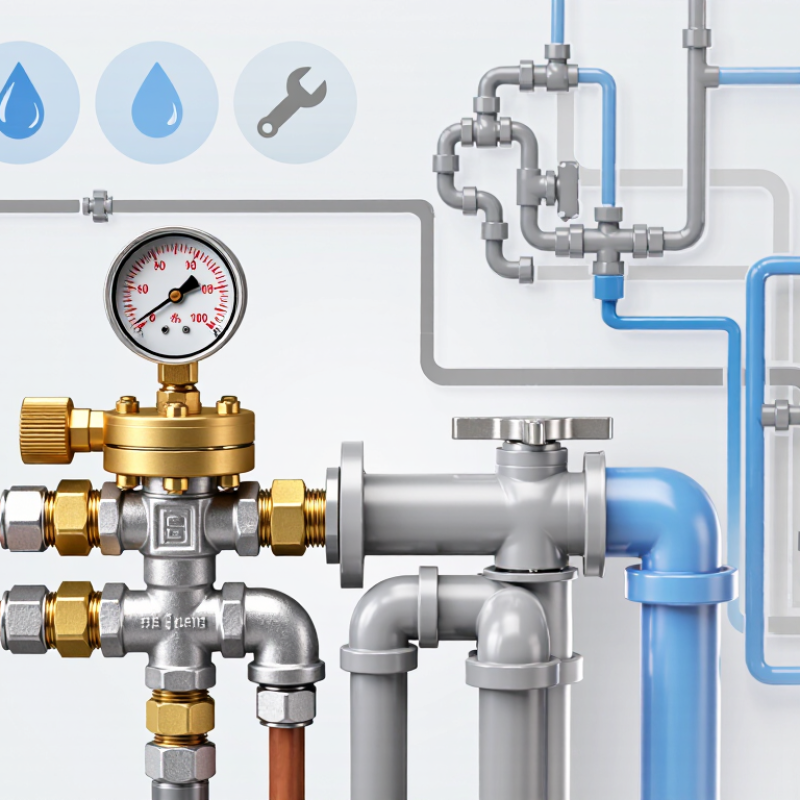
A water regulator valve should match the system, not just the pipe diameter. Record the inlet pressure range and the pressure your equipment needs downstream. Check both normal and peak flow rates, since a valve sized for average demand may struggle when several outlets open together. Note the water temperature, pipe material, and available installation space. These details help narrow suitable valve sizes and construction materials.
Measure pressure while water is flowing, not only when the system is idle. Static readings can hide pressure drops during showers, irrigation cycles, or equipment startup. Consider whether the supply pressure changes by time of day, and whether sediment or scale could affect the valve. It is easy to overfocus on the target outlet pressure. Actual flow matters too. A pressure gauge before and after installation can help verify performance, though readings should be interpreted against the valve’s operating range. Leave room for inspection and adjustment; cramped access is a common practical oversight.
Tips: Write down the minimum and maximum inlet pressures, expected peak flow, and desired outlet pressure. Check the manufacturer’s technical data for those conditions. If measurements are uncertain, confirm them before choosing. Small detail. It can change the selection.
Choosing a water regulator valve starts with the system’s real pressure, not guesswork. Measure inlet pressure with a gauge, then check it while water is flowing. Static readings alone can hide pressure drops. A direct-acting, spring-loaded valve is often suitable for steady, moderate demand and simple layouts. Pilot-operated valves can handle larger flows more consistently, but usually add cost and installation complexity. Simple is not always enough.
Compare pressure ranges carefully. The valve’s maximum inlet rating must exceed the highest pressure the system may experience, while its adjustable outlet range must include your target setting. These are different specifications. For example, a valve may tolerate high inlet pressure but still lack the outlet adjustment range you need. Follow the equipment manufacturer’s limits, and leave a practical margin rather than choosing the closest possible rating.
Flow capacity matters just as much. Check the valve’s rated flow or flow coefficient, often listed as Cv, at the expected pressure drop. Then compare it with simultaneous demand, such as a shower running while a washing machine fills. An undersized valve can cause weak flow; an oversized one may regulate poorly at low demand. Specifications do not tell the whole story, though. Pipe size, sediment, and changing demand can affect performance, so confirm the selection against the actual installation.
Compare typical outlet-pressure ranges and illustrative flow capacity for common regulator types.
Flow figures are calculated examples for a 1-inch valve at a 10 psi pressure drop, using the indicated Cv values and the water-flow relationship GPM = Cv × √ΔP. Pressure ranges and actual capacity vary by model, size, trim, and operating conditions. Check the valve’s technical data and confirm demand, inlet pressure, and required outlet pressure before selecting a valve.
A water regulator valve should suit the water it will actually handle, not just the pipe size. Brass is common, but water chemistry can affect its durability. In areas with aggressive or highly mineralized water, check whether the valve body resists corrosion and dezincification. Stainless steel or engineered polymers may be suitable alternatives, depending on pressure and temperature limits. Ask for material data when the application is critical.
Seals matter too. EPDM is often used in water systems, but compatibility depends on temperature and any treatment chemicals present. For drinking-water use, confirm that materials meet the relevant local requirements. “Water compatible” is not always specific enough. I would check the technical sheet rather than rely on a vague product description.
Connections must match the system without strain. Compare thread type, nominal size, and flow direction; a fitting that looks close can still leak or restrict flow. Unions can make future servicing easier, while a pressure gauge nearby helps verify operation after installation. Check the inlet pressure range and expected outlet setting against real system conditions. Small details matter. Even careful selection can miss something, so review the valve specifications with the installer before fitting it.
| Valve material | Typical connection options | Water compatibility | Key selection considerations | Best-fit applications |
|---|---|---|---|---|
| Lead-free brass | NPT, BSP, compression, or sweat; confirm the exact end type | Commonly used for potable water when the complete valve meets applicable local lead-content and drinking-water requirements. | Check for a lead-free designation and required certification. In waters prone to dezincification, look for dezincification-resistant (DZR) brass. | Residential and light-commercial water service. |
| Bronze | Threaded, solder, or flanged, depending on valve design | Often selected for water service; suitability for drinking water depends on alloy composition and applicable approvals. | Verify the alloy, pressure and temperature ratings, and drinking-water compliance rather than relying on the material name alone. | Building services and applications requiring a corrosion-resistant copper alloy. |
| Stainless steel (304 or 316) | Threaded, socket-weld, or flanged; options vary by valve body | Can suit many water systems. Grade 316 generally offers better resistance to chlorides than grade 304, but neither is immune to corrosion in every water chemistry. | Assess chloride level, temperature, and crevice conditions. Confirm the wetted trim and seals are also compatible and approved if used for potable water. | Corrosive environments or systems where stainless construction is specified. |
| Ductile iron or cast iron | Typically flanged or grooved; verify flange standard and pressure class | Used in many larger water systems. Coating, lining, water chemistry, and drinking-water approvals affect suitability. | Check internal lining and external coating, corrosion protection, face-to-face dimensions, and the system pressure rating. | Larger building, municipal, or industrial water lines. |
| Engineering plastic (such as PVC or CPVC) | Solvent-weld, threaded, or union ends, subject to the valve design | Compatibility depends on the plastic grade, water chemistry, temperature, and any additives or treatment chemicals. | Use only within the manufacturer’s pressure-temperature limits. Check chemical compatibility and potable-water approval where required. | Suitable low-corrosion systems where the specified plastic valve is rated for the service conditions. |
| Elastomers and internal trim | Not a pipe connection; includes diaphragm, seals, and seat materials | EPDM is widely used for water service; other elastomers may be appropriate for particular temperatures or chemicals. Compatibility is formulation-specific. | Confirm the exact elastomer, temperature range, disinfectant exposure, and drinking-water approval. Do not assume all rubber compounds behave alike. | Every application: wetted seals and trim should be checked alongside the body material. |
Connection and compatibility checks: NPT and BSP threads are different and should not be treated as interchangeable. Match the connection standard, nominal size, pressure rating, flow direction, and installation orientation to the system. For potable water, confirm current local requirements and approvals for all wetted components. Always verify pressure, temperature, and water-chemistry limits in the valve’s technical documentation.
How to Choose a Water Regulator Valve in 2026?
Check 2026 Standards, Certifications, and Installation Constraints
Choosing a water regulator valve in 2026 starts with the installation, not the catalog. Confirm the required outlet pressure, expected flow, water temperature, and maximum inlet pressure. Then check the current plumbing code where the valve will be installed. Certification requirements can differ by location and application. Look for independent certification to the applicable standard, and verify that the listing covers potable-water contact when needed. A certificate alone does not prove that a valve suits your system.
Tips: Measure pipe size and available clearance before ordering. Note the flow direction marked on the body, and check whether the model allows horizontal or vertical installation. Leave room to reach the adjustment screw, unions, and any strainer. A pressure gauge upstream and downstream can make commissioning less guesswork. Details matter.
Do not size a valve by pipe diameter alone. Compare its flow curve with realistic demand, especially where several fixtures may run together. Check whether thermal expansion, sediment, or pressure spikes require separate protection. Installation instructions may specify a minimum straight pipe run or a particular orientation; follow the exact model’s documentation. A common weak point is assuming a nearly matching size will work. Recheck that assumption. If site pressure or code requirements are unclear, ask a qualified plumbing professional to verify the selection before installation.
When choosing a water regulator valve in 2026, look beyond its purchase price. Check whether its seat, diaphragm, and strainer can be inspected or replaced without removing the whole assembly. Ask for recommended service intervals and replacement-part availability. These details shape maintenance time and downtime. Small details matter.
EPA WaterSense estimates that household leaks waste nearly 10,000 gallons annually, while 10% of homes have leaks wasting at least 90 gallons daily. This is a household-wide estimate, not a regulator failure rate, but it shows why stable pressure and prompt repairs matter. Compare the valve’s expected service life with local water quality, sediment levels, and operating pressure. NIST’s Life-Cycle Costing Manual recommends considering acquisition, operation, maintenance, repair, and replacement costs. Apply that same approach: include labor, spare parts, and the cost of shutting down a line. Inspection records are often incomplete, so service-life estimates may need revisiting after real operating data accumulates.